
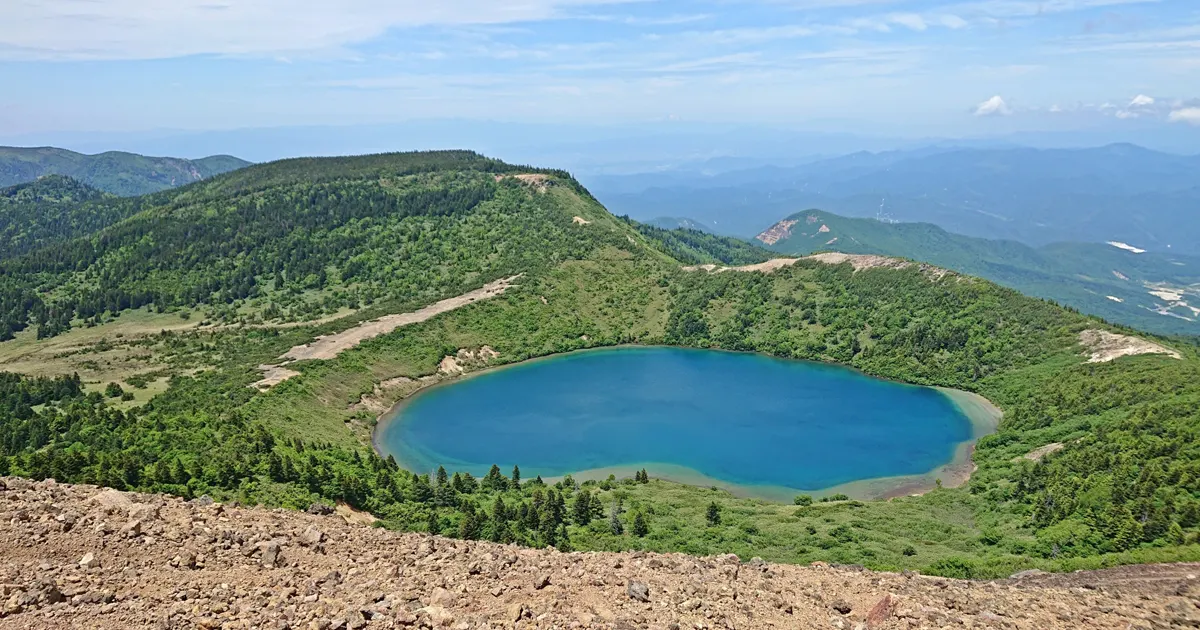
The “Witch’s Eye” viewed from the summit of Mount Issaikyo is a special landscape that makes people want to stop and look. The cobalt blue surface spreads across a quiet space at an elevation of approximately 1,700 meters and is recognized as a symbol of Japan’s natural beauty. The hike to reach this point takes a relatively short time, making it easy to include in a travel plan for the following day. For those who prefer a calm encounter with nature, this location provides a peaceful and steady atmosphere.
Planning a short stay near Goshikinuma (Witch’s Eye) and Takayu Onsen lets you catch the calm morning glow before visitor flow builds up. Takayu Onsen stays keep your route simple and reduce unnecessary backtracking.
Witch’s Eye Aerial Scenic Experience
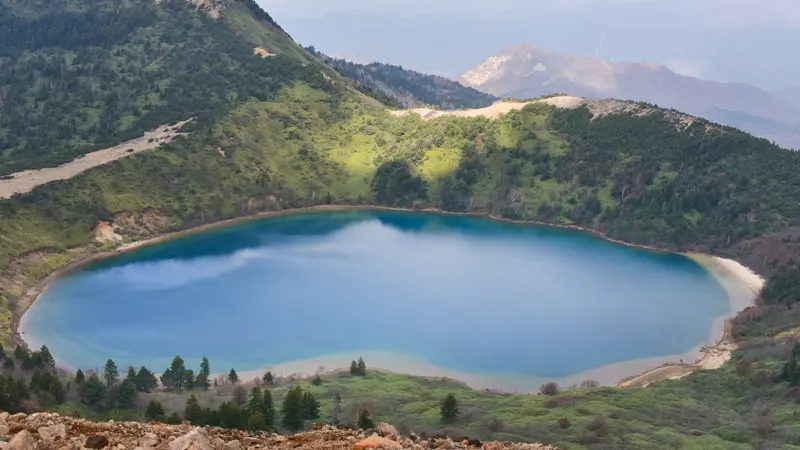
Upon reaching the summit of Mount Issaikyo, Goshikinuma unfolds below across the entire field of view. At its center lies the “Witch’s Eye,” distinguished by its deep blue color, standing in contrast to the surrounding rugged volcanic terrain. Beyond its visual appeal, the combination of clear air and quiet surroundings creates a sensory experience not found in urban environments.
This view extends beyond visual beauty alone. Reaching it through hiking adds a sense of accomplishment to the scenery ahead. At the summit, with no obstructions in sight, subtle changes in wind and light become noticeable, creating a moment where all five senses feel sharpened.
Gradation of Cobalt Blue Colors
 SAKURA
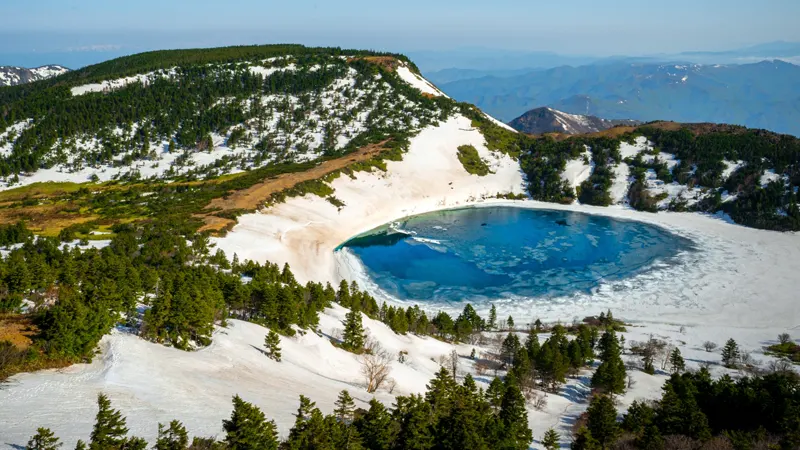
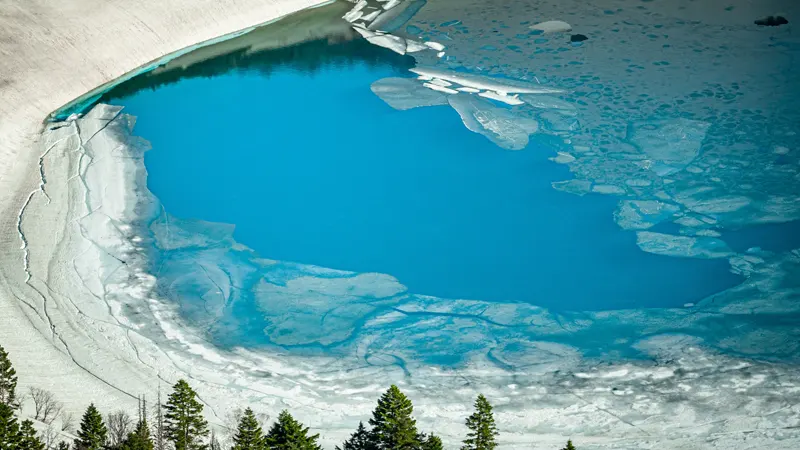
The “Opening Eye” of The Witch’s Eye refers to the moment when the frozen lake surface melts, revealing its stunning blue waters. The best time to witness this phenomenon is from late April to early May.
A defining feature of the Witch’s Eye is the shifting gradient of blue influenced by time and weather conditions. Under clear skies, a deep cobalt blue becomes prominent, while cloudy conditions soften the color toward an emerald tone. This variation occurs because the lake surface reflects the sky, allowing different visual impressions depending on when it is visited.
A Summit Environment Defined by Quietness
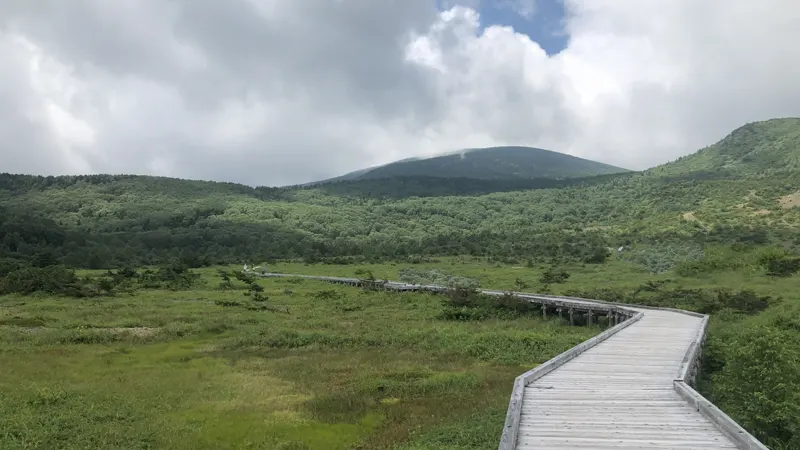
Despite being a known destination, the summit maintains a calm and quiet atmosphere. With only the sound of wind and footsteps present, the environment supports mental clarity and provides a refreshing break even within a short stay. For those seeking time in nature, this setting leaves a lasting impression.
Comparing prices and guest ratings across Fukushima City makes it easier to shape a smarter stay around Goshikinuma (Witch’s Eye). Check Fukushima City hotels to keep your trip balanced without overspending.
Unique Value Gained from Hiking Mount Issaikyo
The Witch’s Eye is not a view accessible without effort; it is reached by walking the trail. This process itself enhances the experience, offering a level of satisfaction distinct from standard sightseeing. The route from Jododaira takes approximately 1.5 hours, making it approachable even for beginners.
Along the trail, volcanic activity can be observed up close through visible steam vents, allowing a direct sense of the terrain’s formation. The addition of sound and scent to the visual experience creates a more immersive and memorable visit.
Best Season and Timing to Visit
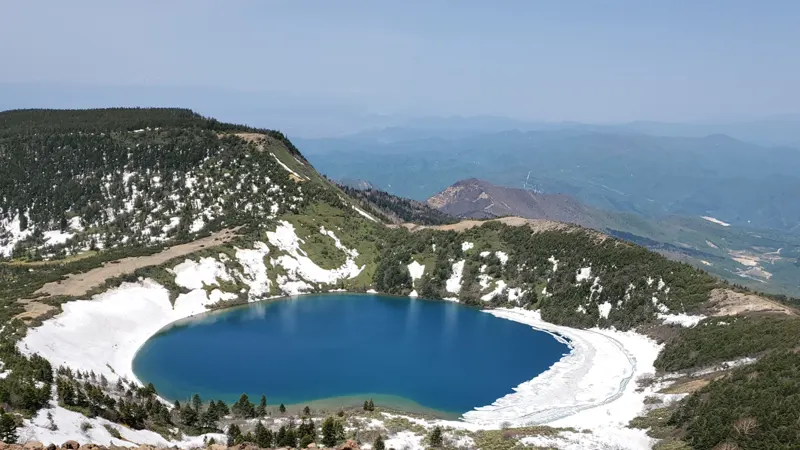
The most favorable period to observe the lake at its clearest is during July and August on sunny days. During this time, the blue tones appear stable and more defined, making it suitable for first-time visitors. From mid-June to early July, lingering snow frames the lake’s edge, offering a limited seasonal view.
In autumn, from late September to mid-October, the contrast with fall foliage adds a different visual character. Access is restricted during winter due to road closures, so checking seasonal availability in advance is necessary.
Suitable Traveler Types
This location is ideal for those seeking a special experience within a short amount of time. It is especially appealing for couples who prefer active travel and photographers aiming to capture natural landscapes. The process of reaching the site on foot adds a sense of achievement beyond typical sightseeing.
Witch’s Eye Visitor Information
- Can beginners hike to this location?
-
It takes about 1.5 hours one way, and trekking shoes with good grip are recommended due to rocky sections along the trail.
- Is it possible to go down to the lake?
-
The lake is viewed from above, and access to the shoreline is not permitted.
- What should I wear?
-
Temperatures at the summit are lower, so even in summer, bringing an extra layer is advisable.
- Is volcanic activity a concern?
-
As this is an active volcano, check the eruption alert level before visiting.
- When is the best time of day to see the lake clearly?
-
Around midday, the blue color appears most vivid. It is also less likely to be backlit, making it a good time for photography.
Witch’s Eye Visitor Information and Access Details
- Location: Tsuchiyu Onsen-machi, Fukushima, Fukushima
- Closed Days: None
- Closed Period: Mid-November – Mid-April
- Admission: Free
Mount Issaikyo is an active volcano, and trails may be closed depending on volcanic gas conditions and alert levels. The Bandai-Azuma Skyline access road may also be closed at night or during winter. Weather conditions in the mountains change rapidly, so always check the latest weather and volcanic activity updates on official sources such as the Fukushima City Tourism Official Site before visiting.
Start Your Journey to the Witch’s Eye Today
The Witch’s Eye is a mountain destination where visual appeal and experiential value intersect. The relatively short hike makes it accessible, while the scenery upon arrival provides a strong impression. Seasonal and weather variations create different views each time, offering new perspectives with every visit. It is a location worth considering as a distinctive experience that can be incorporated into a broader travel plan.