
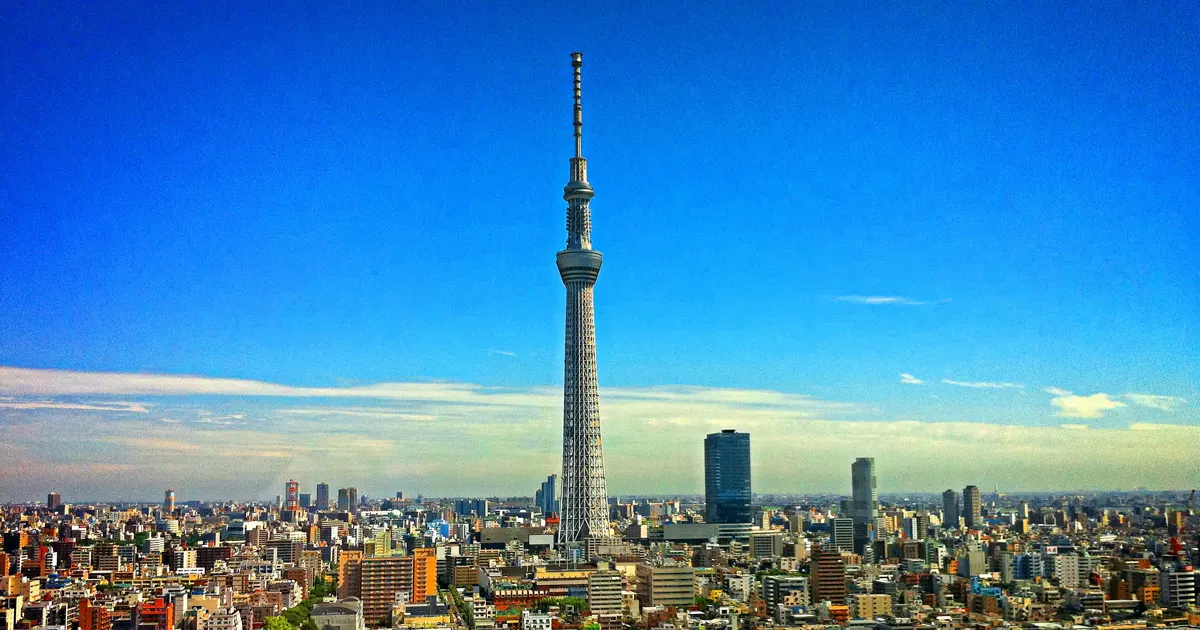
Tokyo Skytree is an essential destination if you want to spend a “special few hours” during your visit to Tokyo. The view from 450 meters above ground is not just about looking down at the city from a high place. The quiet sight of Mt. Fuji in the distance blends with the movement of Tokyo spreading beneath your feet, allowing you to feel a distinctly Japanese sense of transition from above the sky.
For those planning the next day’s schedule, Skytree is easy to access, convenient for photography, and satisfying even with a short visit. By avoiding peak hours and adjusting the order in which you explore, the experience at the observation decks becomes far more memorable.
For early Tokyo Skytree plans, cheap capsule hotels can make sunrise photos and smooth access feel much easier. Staying close helps you use the quiet morning well without losing time on long transfers.
A Sanctuary in the Sky at Tokyo Skytree
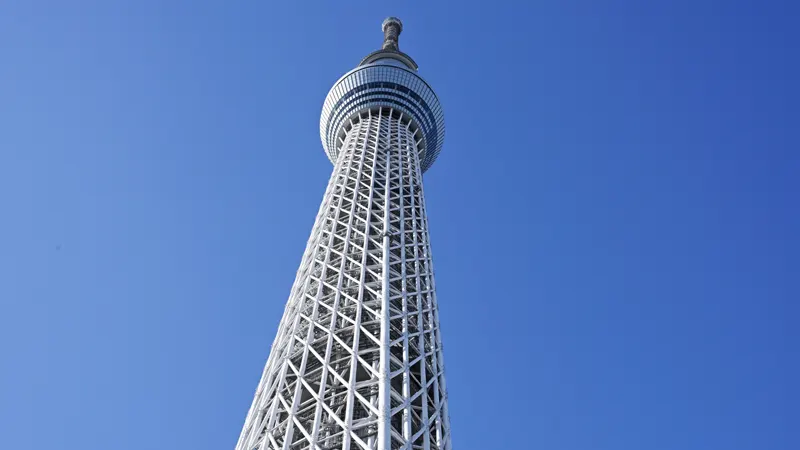
The appeal of Tokyo Skytree goes beyond its panoramic views. It combines the aesthetics of Edo with futuristic architecture, offering a modern landscape that reflects traditional Japanese spirit. The vibration control system inspired by five-story pagodas and the lighting reminiscent of indigo and Edo purple gently convey elements of Japanese culture.
At the Tembo Galleria, the experience unfolds while walking at a height of 450 meters. Moving along the sloped glass corridor creates a floating sensation, as if walking in the air. Rather than simply stopping to look at the scenery, the highlight here is noticing how the cityscape changes as you walk.
Morning Offers Clearer Photography Conditions
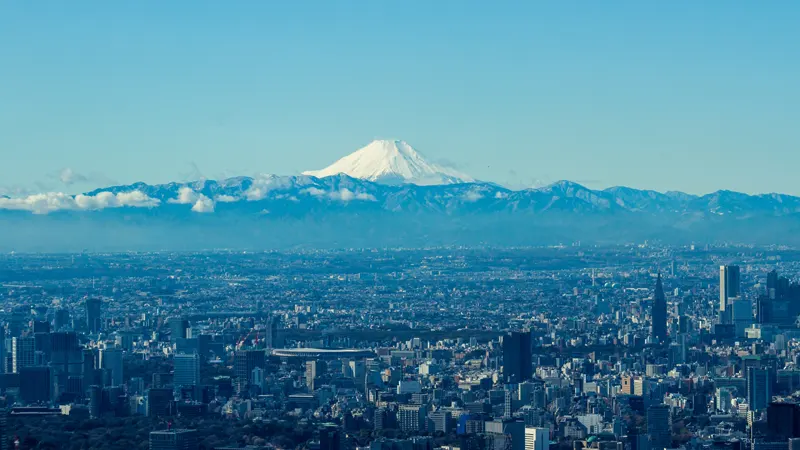
Entering in the morning is suitable for capturing both people and background clearly. Light reflections are relatively minimal, making it easier to take bright and natural photos at the Sorakara Point. For those hoping to see Mt. Fuji, choosing a time when the air is clearer increases the chances of a satisfying view.
Practical Tips to Enhance Your Tokyo Visit
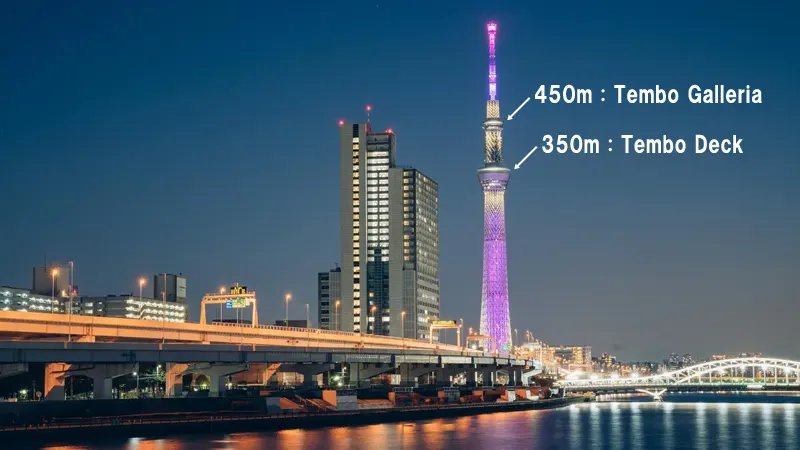
To improve your experience at Skytree, simply following the standard route from the Tembo Deck to the Tembo Galleria may not fully utilize its potential. Starting from the highest point to take in the overall view of Tokyo, then visiting the glass floor and photo spots, creates a more layered impression of the scenery. Even with limited time, a small adjustment in order changes the depth of the experience.
The glass floor on Floor 340 of the Tembo Deck offers a direct view of the city below your feet. Instead of using a selfie stick, framing your shoes together with the ground below creates a compelling composition. This approach captures both the sense of height and the vast scale of Tokyo in a single image.
Aim for Magic Hour in the Evening
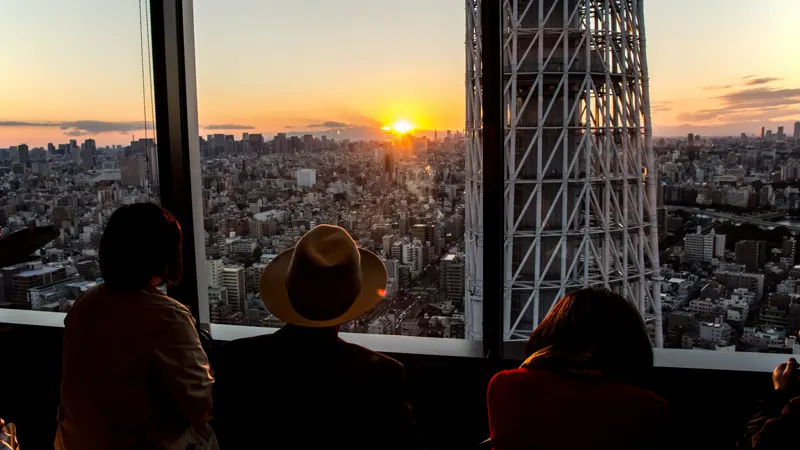
If time allows, consider entering about 30 minutes before sunset. Watching the transition as the sun sets and city lights begin to appear from a single location reveals the moment Tokyo shifts from day to night. Rather than moving quickly, taking time to stay and observe creates a scene that remains memorable.
Downtown Tokyo Food and Edo-style Cuisine

Around Skytree, Edo-style sushi and tempura offer opportunities to experience traditional techniques through the craftsmanship of skilled chefs. The appeal lies in preparations that bring out umami rather than relying only on raw fish, reflecting the depth of Japanese culinary culture.
Dishes such as chanko nabe in Ryogoku and Fukagawa-meshi carry a sense of local history. Monjayaki also provides an interactive cooking experience, allowing you to prepare it yourself. Through food, Tokyo’s culture becomes more approachable and tangible.
A stay around Asakusa on a budget gives you more room to compare prices, reviews, and access to Tokyo Skytree. Checking several options first is a smart way to keep costs low while still choosing a place that feels right.
Tokyo Skytree Visitor FAQ
- Can Skytree be enjoyed on rainy or cloudy days?
-
On some days, the view rises above the clouds, creating a dreamlike atmosphere.
- How can crowds be avoided?
-
Visiting on weekday mornings or later at night, along with reserved-time tickets, helps reduce waiting time.
- Should I prioritize Mt. Fuji or the night view?
-
Entering before sunset allows both to be experienced efficiently.
- Are there quieter places to enjoy the view?
-
Floor 345 and window-side seating in the café tend to be less crowded and more relaxing.
Tokyo Skytree Access and Visitor Information
- Location: Oshiage, Sumida, Tokyo
- Closed Days: None
- Hours: 10:00 AM – 9:00 PM
- Admission: Tembo Galleria 1,400 yen / Tembo Deck from 1,800 yen / Tembo Deck & Galleria – Set from 3,000 yen
Access to Tokyo Skytree is best planned through three main routes, chosen based on convenience and overall experience.
By train (fastest): Oshiage Station offers direct access from Haneda and Narita airports as well as central Tokyo, with underground connections that provide shelter on rainy days. Tokyo Skytree Station, one stop from Asakusa, allows an immediate and impressive view of the tower just outside the ticket gates.
Direct bus: Services operate from Tokyo Station and Ueno Station, making this option suitable for those with heavy luggage or those who prefer to avoid stairs and transfers.
On foot (recommended): A 20-minute walk from Asakusa via the Sumida River Walk. The tower gradually approaching across the Sumida River creates an excellent photo opportunity.
Walking transforms the journey into part of the sightseeing experience, while Oshiage Station offers maximum efficiency. Choose the route that best fits your travel plan.
Plan Your Tokyo Skytree Visit for Sky-High Memories
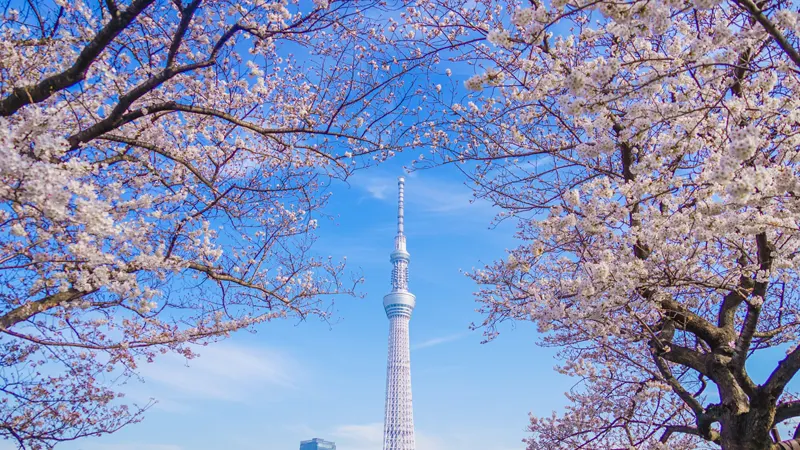
Tokyo Skytree is a destination where panoramic photography, cultural appreciation, and short visits are all easy to enjoy. Morning hours provide better lighting for photos, while evenings offer the transition from sunset to night views. If you are unsure about your next day’s plan, setting a route that includes the Tembo Galleria, glass floor, and magic hour creates a smooth visit.
The view of Tokyo from above presents a perspective different from walking the streets below. The overlap of quietness and urban movement creates a unique moment worth including as part of your journey.