
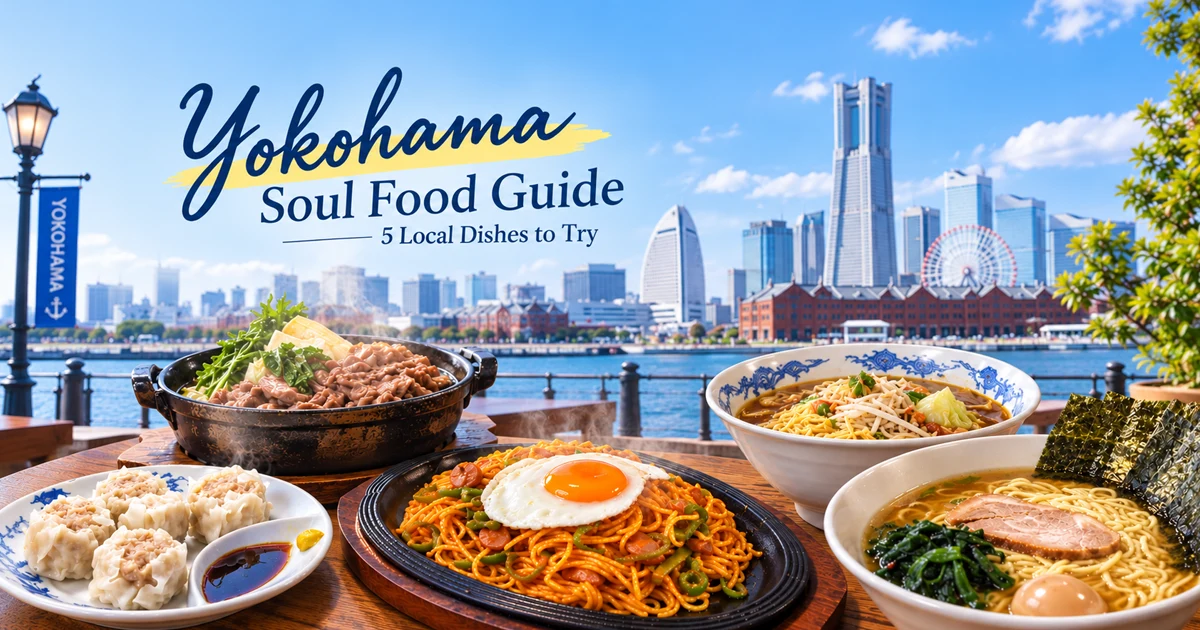
Ramen and sushi are not the only foods that define Japanese cuisine. Since Yokohama opened its port in 1859, the city has actively embraced overseas influences, creating distinctive dishes by adapting Chinese and Western cuisine to Japanese tastes.
Here are five soul foods that are more than passing trends and are deeply connected to Yokohama’s history and daily life. These dishes offer a taste of the port city’s food culture beyond its tourist attractions.
Top 5 Soul Foods to Try in Yokohama
Yokohama’s soul food reflects the history of a port city shaped by overseas food cultures. Sanma-men, Shiumai, Napolitan, gyunabe, and Iekei ramen each developed through Yokohama’s local tastes and traditions.
Travelers can choose anything from a quick bowl of ramen to a full gyunabe meal or a Shiumai Bento for the train.
These five dishes offer another way to experience Yokohama beyond its major sightseeing attractions.
No. 1: Sanma-men
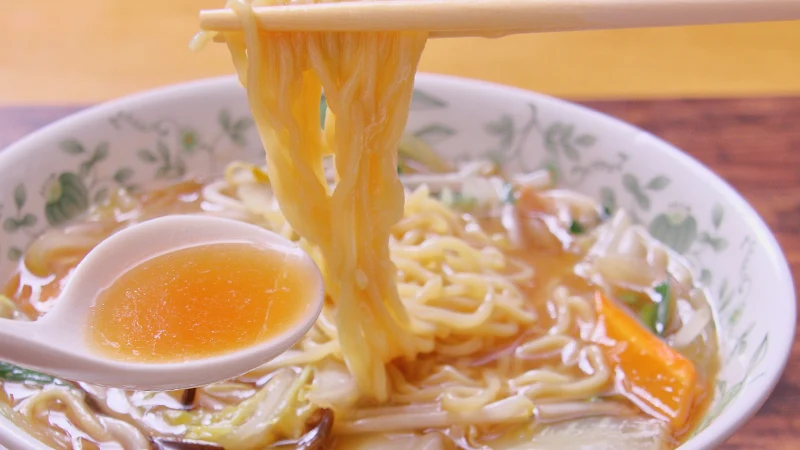
Sanma-men originated in Yokohama and consists of ramen topped with a thick sauce made by stir-frying bean sprouts, Chinese cabbage, pork, and other ingredients, then adding soup and thickening it. There is no fixed definition for its flavor or ingredients, and each restaurant may serve a soy sauce or salt-based version. The hot, thick sauce coats the noodles and helps keep the dish warm.
It is served at Chinese restaurants and traditional neighborhood Chinese eateries throughout Yokohama, making it relatively easy for travelers to order. Sanma-men is found not only in Yokohama Chinatown but across the city, reflecting how deeply the dish is rooted in the local food culture.
- Estimated budget: Around 1,000 yen and up
- Note: Some versions contain pork or other ingredients that may not meet certain religious or dietary requirements. Check before ordering if you have dietary restrictions.
No. 2: Kiyoken Shiumai
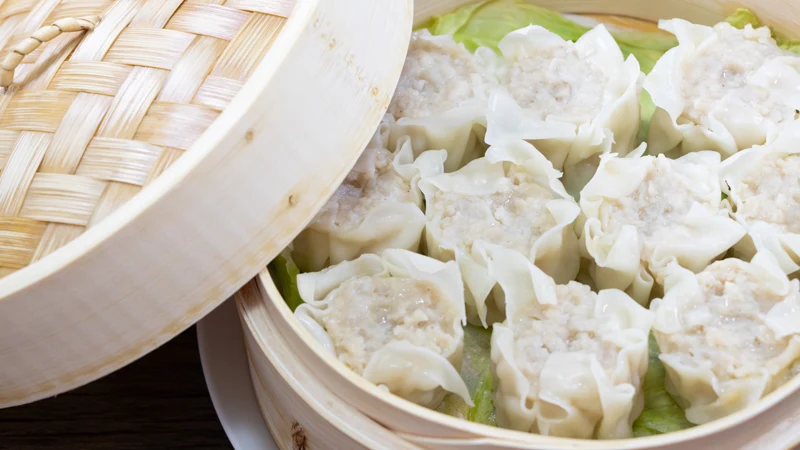
One of Yokohama’s signature takeout foods is Kiyoken’s Shiumai. Introduced in 1928 as a Yokohama specialty, these bite-sized dumplings are made with pork and dried scallops and are prepared to remain easy to eat even after cooling.
They are readily available at Yokohama Station and other locations, making them suitable for a quick meal while sightseeing or traveling by train. The “Shiumai Bento,” introduced in 1954, is one of Yokohama’s signature ekiben train station lunch boxes and costs 1,180 yen as of September 2026.
- Estimated budget: Pocket Shiumai 370 yen, Traditional Shiumai 15-piece pack 740 yen, Shiumai Bento 1,180 yen
- Note: The standard Shiumai contains pork.
No. 3: Spaghetti Napolitan
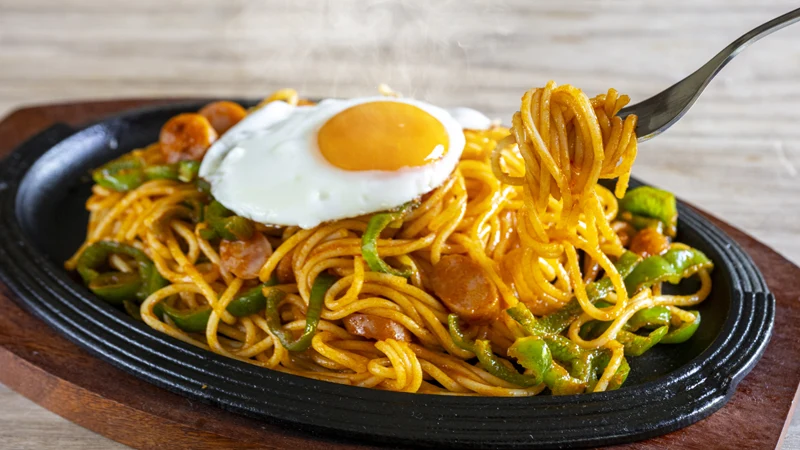
Despite having “Napoli” in its name, Napolitan is not a traditional Italian dish. It is a distinctly Japanese yoshoku dish that originated at Hotel New Grand in Yokohama.
After World War II, Shigetada Irie, the hotel’s second executive chef, was inspired by American soldiers eating spaghetti with tomato ketchup and other ingredients. He adapted the idea to create Napolitan. The original-style Napolitan is still served at Hotel New Grand today.
Rather than simply reproducing a foreign dish, Napolitan illustrates how Western cuisine was adapted to Japanese tastes and developed into what is known as “Yoshoku.”
- Estimated budget: 2,340 yen at Hotel New Grand, including tax and service charge
No. 4: Yokohama Gyunabe
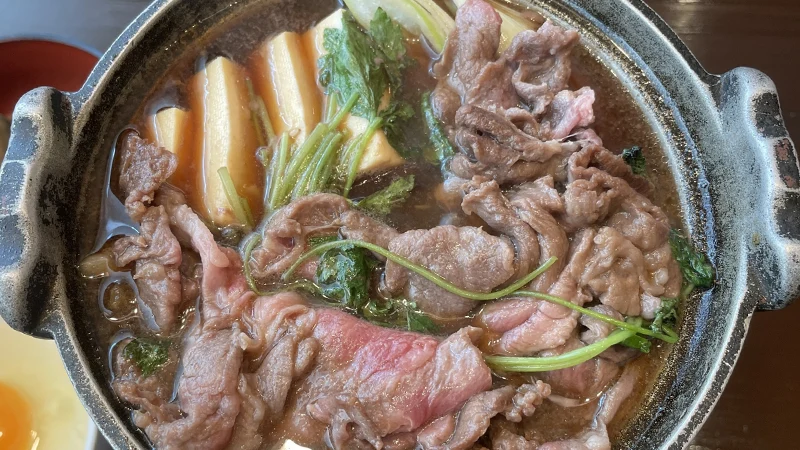
Gyunabe is a dish associated with Yokohama’s port opening and Japan’s period of modernization. Beef is simmered with seasonings such as miso and soy sauce, reflecting how the emerging custom of eating beef in Japan developed to suit local tastes.
Yokohama still has gyunabe restaurants established during the Meiji era that remain in business today. Compared with ramen and similar meals, gyunabe generally requires more time and a larger budget, making it suitable for travelers who want lunch or dinner itself to be part of their Yokohama sightseeing plans.
- Estimated budget: Prices vary considerably by restaurant and course, so check the official menu before making a reservation.
- Note: As gyunabe is primarily a beef dish, travelers with dietary restrictions should check the ingredients in advance.
No. 5: Yokohama Iekei Ramen
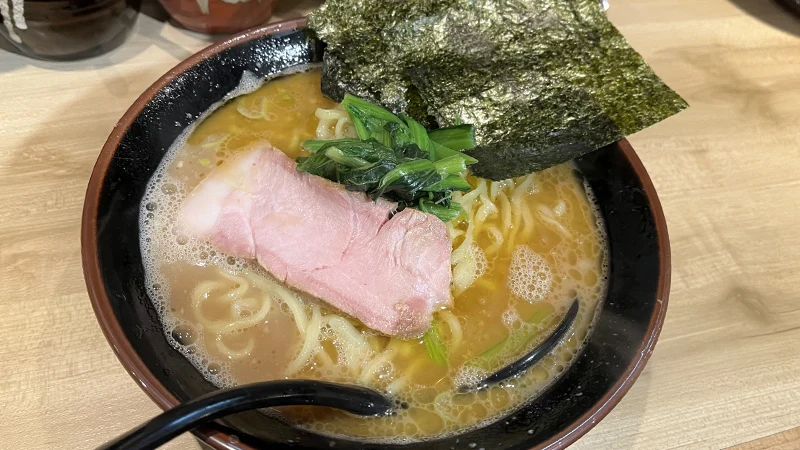
Iekei ramen originated in Yokohama and combines a rich pork-bone and soy sauce broth with thick noodles, chashu pork, spinach, and nori seaweed. Although the style has spread throughout Japan, Yokohama offers a chance to experience the ramen culture where it began.
Its defining feature is the robust flavor of its pork-bone and soy sauce broth, and many people pair the ramen with rice. It is also an option for travelers looking for an accessible local dish to try while exploring Yokohama.
- Estimated budget: Prices vary by restaurant, so check the latest prices at the location you plan to visit.
- Note: Iekei ramen generally uses pork bones and pork, so standard versions are not suitable for halal or vegetarian diets.
Practical Tips for Eating Local Food in Yokohama
Yokohama’s food culture developed through generations of exchange between Japan and other countries.
Many dishes associated with the city reflect this history in forms that became part of everyday local dining.
Understanding these customs can make unfamiliar restaurant settings easier to navigate for international travelers.
A little preparation also helps visitors choose meals that fit their schedule, preferences, and travel plans.
How to Use a Ramen Ticket Machine
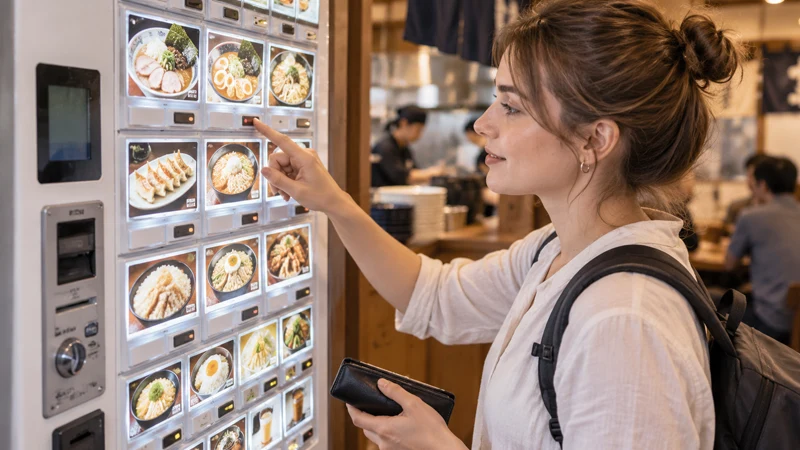
Some ramen shops require customers to purchase a meal ticket from a vending machine near the entrance before ordering. Press the button for the dish you want, pay, and hand the issued ticket to a staff member. Some restaurants do not accept cashless payments, so carrying a small amount of Japanese yen is useful.
How to Order Iekei Ramen
When handing over your meal ticket at an Iekei ramen shop, a staff member may ask, “Okonomi wa?” This means they are asking how you would like the firmness of your noodles, strength of the flavor, and amount of oil adjusted.
- Noodle firmness: Hard / Regular / Soft
- Flavor strength: Strong / Regular / Light
- Amount of oil: More / Regular / Less
For your first Iekei ramen, choosing “All Regular” gives you the restaurant’s standard version. If you prefer milder flavors or less oil, choosing “Light” for the flavor and “Less” for the oil makes the ramen easier to eat.
Try a Yokohama Specialty as Ekiben
If there is not enough time for a restaurant meal, Shiumai Bento is another option. It is available at Yokohama Station and other locations, making it easy to combine a meal with train travel. When eating outdoors, use an area where eating is permitted and dispose of containers and other waste according to the facility’s rules.
Yokohama and Sakuragicho Are Convenient Areas to Stay
Yokohama and Sakuragicho are convenient bases for travelers planning to combine local food with sightseeing. Both areas provide easy access to central Yokohama, making it simpler to include restaurants and major attractions in the same itinerary.
Staying near Yokohama Station is practical for travelers arriving by train or continuing to other destinations. Sakuragicho is another useful base for sightseeing around the waterfront area and central Yokohama.
- Luxury Hotels Near Yokohama Station
- Popular Hotels in Sakuragicho
- Hotels Within Walking Distance of Chinatown
Choosing accommodation in either area can also reduce travel time after dinner. This is especially useful when planning a longer meal such as gyunabe or visiting several parts of Yokohama during the day.
Taste Yokohama’s Port City History Through Local Food
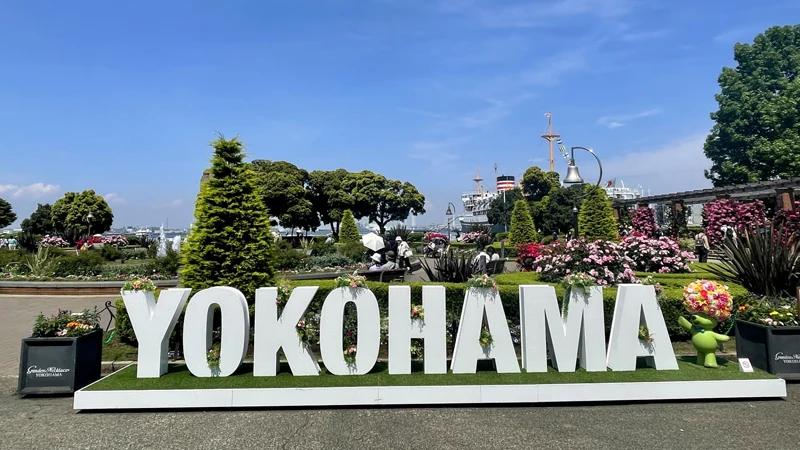
Yokohama’s soul foods reflect the history of a port city that adapted overseas food cultures introduced after the port opened to Japanese ingredients and tastes. Sanma-men and Iekei ramen offer casual options, while gyunabe and the original Napolitan can be planned as dedicated meals. When visiting Yokohama, the city’s long-established local dishes offer another perspective alongside its tourist attractions.