
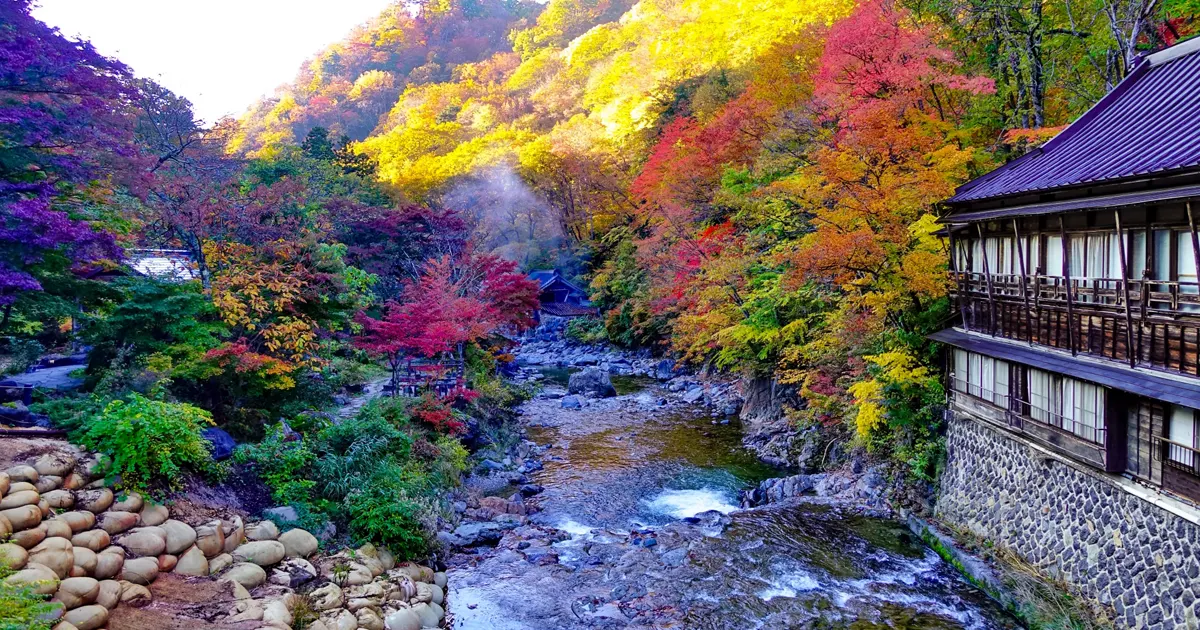
Takaragawa Onsen, located in Minakami in northern Gunma Prefecture, is a hot spring resort surrounded by mountains and streams in the headwaters region of the Tone River. Its main attraction is a collection of four large open-air baths along the Takaragawa River, covering a combined area of approximately 470 tatami mats. Built around natural rock formations, the baths offer free-flowing hot spring water accompanied by the sound of the river. Guests at the mixed-gender outdoor baths are required to wear designated bathing garments, and a women-only outdoor bath is also available. The setting offers an open-air bathing experience in a secluded mountain valley while providing a glimpse into Japan’s traditional hot spring culture.
Visitor Information for Takaragawa Onsen
- Location: Minakami, Tone District, Gunma
- Closed Days: None
- Hours: 10:00 AM – 4:30 PM (Last admission at 4:00 PM)
- Admission: Adults (junior high school students and older) 1,500 yen / Elementary school students 1,000 yen / Preschool children Free (Includes rental of designated bathing garments)
- Official Website: Takaragawa Onsen
Takaragawa Onsen Through the Four Seasons
In spring, fresh greenery spreads across the surrounding mountains, and bathers can watch the Takaragawa River swell with snowmelt. When the mountain cherry trees bloom, their pale blossoms add color to the valley alongside the emerging leaves. From early summer through the warmer months, the greenery grows denser, bringing the natural surroundings even closer to the riverside outdoor baths.
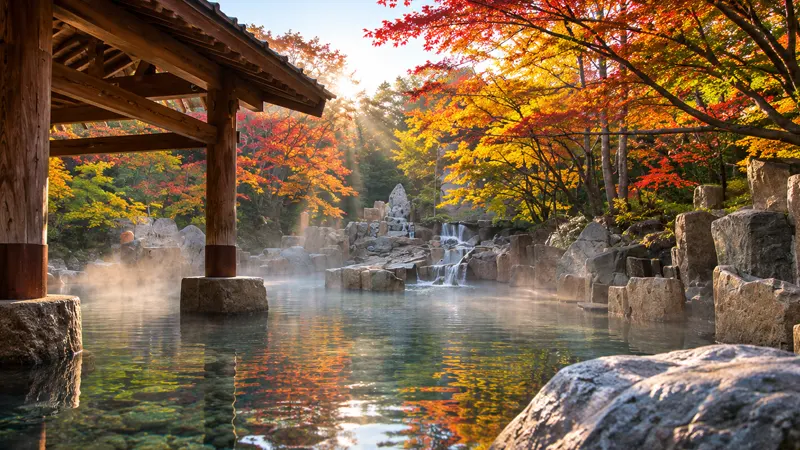
Autumn is the season most associated with Takaragawa Onsen’s fall foliage. From around mid-October to mid-November, the trees throughout the valley typically change color, surrounding the outdoor baths with mountainsides in shades of red and yellow. Japanese maple trees planted around Maka no Yu are particularly striking, allowing bathers to admire the colorful leaves up close. The peak foliage period varies depending on weather conditions.
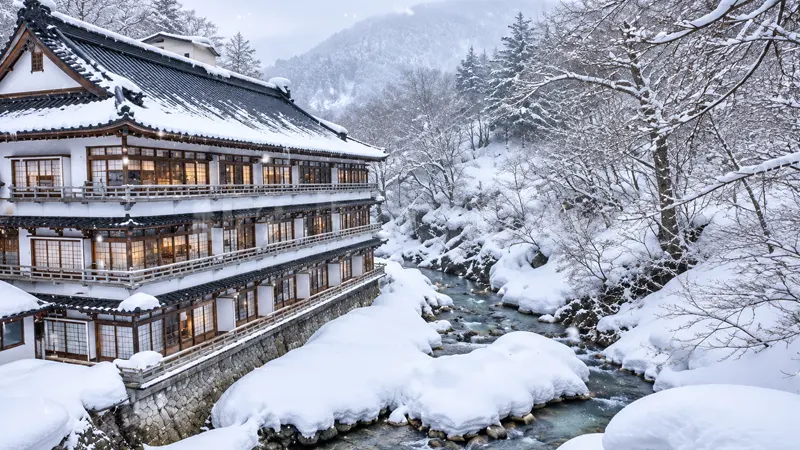
In winter, snowfall transforms the surrounding landscape, giving the snow-covered outdoor baths a distinctive seasonal character. Soaking in warm water while looking out at snow-covered rocks and trees is an experience unique to hot springs in Japan’s snowy regions. Roads may be covered with snow or ice during winter, so visitors arriving by car need appropriate preparations, including winter tires.
Sakura’s Secret Tips: How to Enjoy Takaragawa Onsen Like a Local
Takaragawa Onsen is one of my favorite hidden retreats! Here are a few insider tips I always share with my international friends before visiting.
- Modest Bathing Wear: Unlike traditional onsen, you wear special bathing garments provided at the reception, making mixed-gender baths stress-free.
- Tattoo-Friendly Options: While large tattoos may have restrictions, small tattoos can usually be covered with waterproof skin-colored stickers.
- Bring a Waterproof Pouch: The riverside scenery is stunning, so a waterproof phone case is handy for safely capturing memories.
Takaragawa Onsen: 3 Essential Insider Q&As for International Visitors
- Can day visitors use the hotel’s free shuttle bus?
-
No, the free shuttle service is reserved for overnight guests and is not available to day visitors. Those traveling by public transportation will need to use local buses or other transportation from the nearest station. Since Takaragawa Onsen is located in a mountainous area, bus services are limited. It is important to check both outbound and return schedules before departure and allow enough time for bathing, especially to avoid missing the last return bus.
- Are there any precautions when walking from the changing rooms to the outdoor baths?
-
The four outdoor baths are spread along the Takaragawa River, so reaching them involves walking along outdoor pathways. Although the paths are maintained, stone steps and rocky areas near the river can become slippery when wet, and some sections have uneven footing. During the colder autumn and winter months, use the provided sandals and walk carefully, paying attention to steps and wet surfaces.
- How cold does Takaragawa Onsen get during the autumn foliage season?
-
Located in a mountain valley at a relatively high elevation, Takaragawa Onsen experiences cooler autumn temperatures than urban areas such as Tokyo. From late October to early November, when the fall colors are typically at their peak, cold winds can blow along the river, making the air feel particularly chilly after leaving the outdoor baths. Temperatures tend to drop further in the early morning and evening, so bringing a warm jacket is recommended to stay comfortable after bathing.
akaragawa Onsen: Bathing, Access, and Where to Stay
Because Takaragawa Onsen is located in a mountainous area, travelers using public transportation should check their transportation options in advance. Day-use bathing is available through Takaragawa Sanso, with a four-hour time limit. The on-site accommodation, Osenkaku, offers an opportunity to stay in a quiet mountain setting while enjoying the hot springs. Travelers planning to explore the Minakami Onsen area may also consider accommodations near Minakami Station.
For travelers coming from Tokyo, Jomo-Kogen Station on the Joetsu Shinkansen is the main gateway, with onward travel by bus or other transportation. Since shuttle service is not available for day-use visitors, it is important to plan around public transportation schedules and the time available for bathing.