
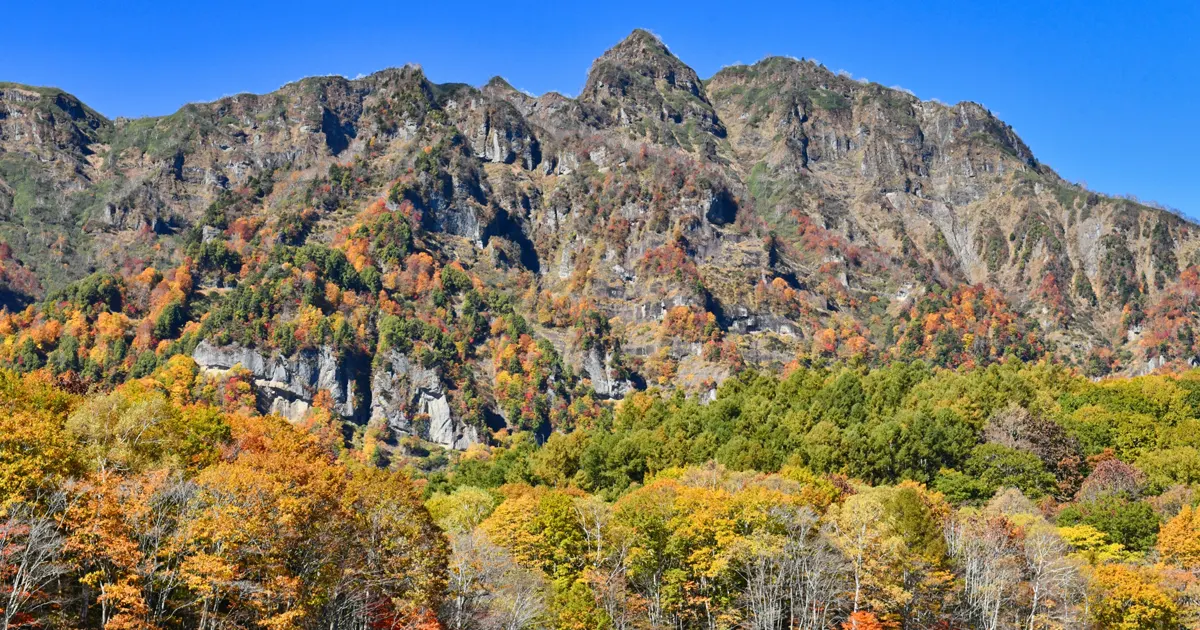
Togakushi, located in Nagano City, Nagano Prefecture, is part of Myoko-Togakushi renzan National Park and offers a peaceful highland setting surrounded by forests and mountain scenery. At Togakushi Shrine, travelers can walk between its five shrines, while the approach to Okusha leads through rows of towering cedar trees. Other options include walking around Kagami-ike Pond and Kotori-ga-ike Pond and trying Togakushi soba.
Solo travelers can choose a half-day or full-day walking route depending on their plans. Staying overnight in Togakushi makes it easier to combine the five shrines with places such as Kagami-ike Pond, allowing more time for separate walks in the surrounding natural areas.
Togakushi Visitor Information and Details
- Address: Togakushi, Nagano City, Nagano Prefecture
- Shrine Office Hours: 9:00–17:00 (Togakushi Shrine)
- Closed: Could not be confirmed
- Admission: Free
- Official Website: Togakushi Shrine
Togakushi Travel FAQ and Practical Tips
- How long does it take to walk to Okusha Shrine?
-
The approach to Okusha Shrine takes about 40 minutes one way. The latter section includes an uphill forest trail and stone steps, so comfortable walking shoes are recommended.
- What should I wear when walking in Togakushi?
-
Comfortable walking shoes are suitable for the forest paths and shrine approaches. In winter, cold-weather gear such as winter boots, a hat, and gloves is necessary for walking in snowy conditions.
- What can I do in Togakushi on a rainy day?
-
Togakushi Soba Museum offers indoor exhibits related to the history and tools of Togakushi soba, as well as hands-on soba-making experiences. Rain gear and waterproof footwear are useful when moving between locations in the area.
Seasonal Guide to Visiting Togakushi
In the Togakushi Highlands, alpine plants appear from late April, when the snow begins to melt, through autumn. At Togakushi Forest Botanical Garden, plants such as Asian skunk cabbage can be observed while walking through the forest as the landscape changes from spring to summer.
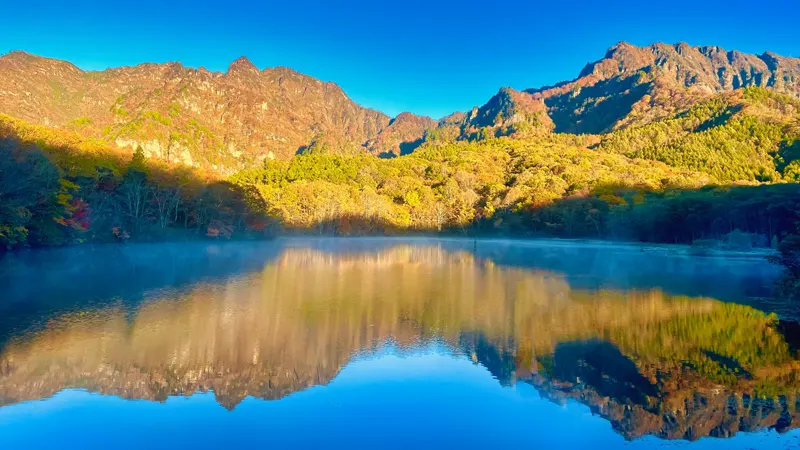
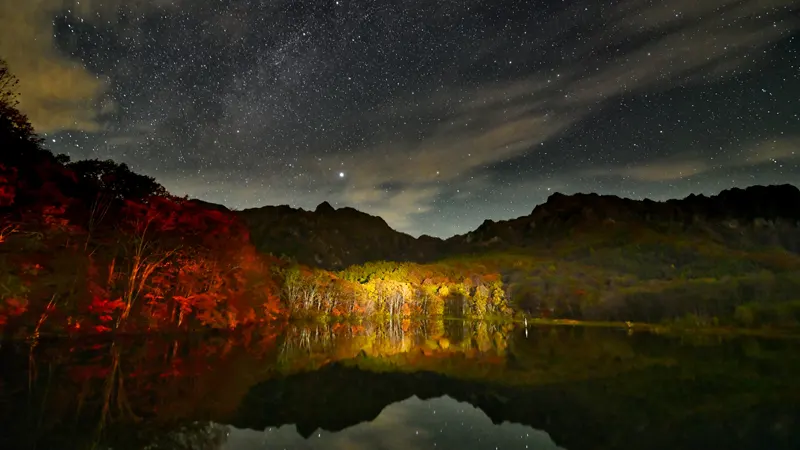
Autumn foliage usually reaches its peak around mid-October. Kagami-ike Pond is known for views of the Togakushi mountain range and autumn leaves reflected on the water, with the foliage season generally lasting from mid-October to early November. During this period, nearby roads become congested from early morning until around 15:00.
The Togakushi Soba Festival is held annually in autumn, with events that include visiting multiple soba restaurants and a ceremony offering freshly harvested soba. Dates and participation fees vary by year, so current information should be checked before visiting.
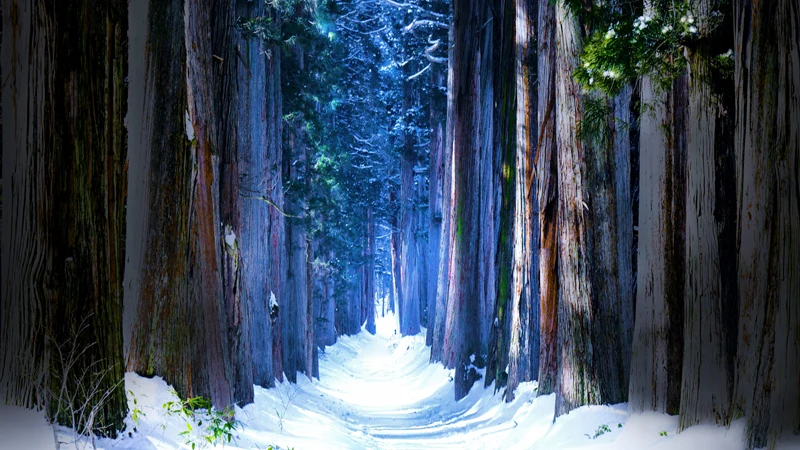
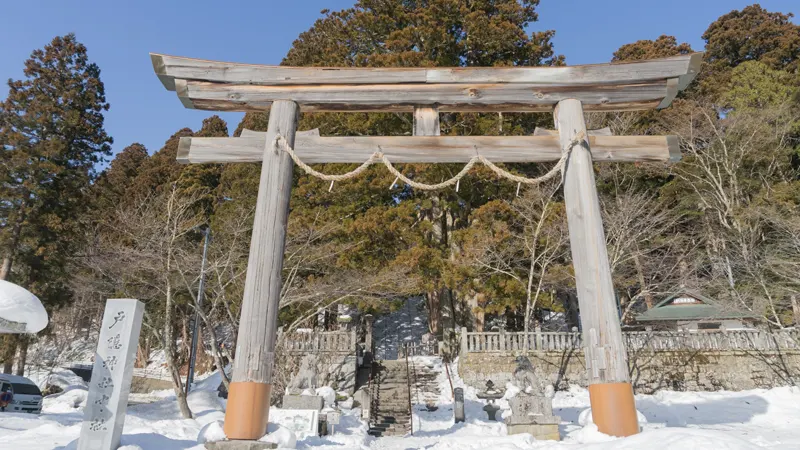
In winter, snowshoe walks are available through snow-covered forests. Winter routes include areas such as Kagami-ike Pond, and cold-weather gear such as winter boots, a hat, and gloves is necessary. During winter, however, access to the Okusha approach beyond Zuishinmon Gate is prohibited, including snowshoe trekking and guided tours.
Highlights and Experiences in Togakushi
Okusha Shrine|Cedar-Lined Approach
The approach to Okusha Shrine passes through a forested area before reaching the shrine. Beyond Zuishinmon Gate, the path continues through rows of cedar trees that are about 400 years old. The latter section includes an uphill trail and stone steps, so suitable walking shoes are recommended. Okusha is one of the five shrines that make up Togakushi Shrine and is associated with the Amano-Iwato myth.
Chusha Shrine|Central Shrine of Togakushi
Chusha is one of the five Togakushi shrines and serves as a convenient starting point for exploring the area. A large zelkova tree estimated to be over 800 years old stands near the shrine, while the main hall features detailed wooden carvings. Chusha is also located close to a bus stop, providing convenient access for travelers using public transportation.
Togakushi Soba Museum|Soba-Making Experience
Togakushi Soba Museum Tonkururin introduces the history of Togakushi soba and displays tools associated with soba production. The facility also offers hands-on soba-making experiences where participants prepare their own noodles. It provides another way to learn about Togakushi soba in addition to visiting the area’s soba restaurants.
Find more information at the Togakushi Soba Museum Official Website
Nearby Attractions from Togakushi
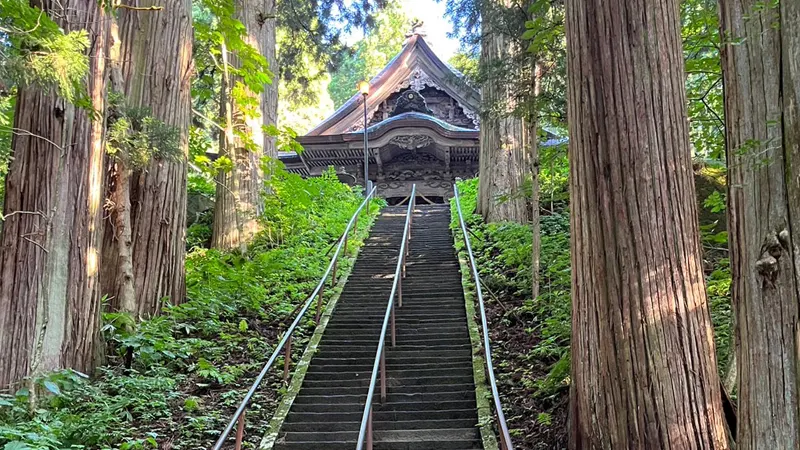
Hokosha Shrine|Stone Steps and Forest Path
Hokosha is one of the five shrines that make up Togakushi Shrine. A long stone stairway leads through the forest to the shrine, and a walking path connects the area with Chusha. Hokosha is traditionally associated with safe childbirth, family well-being, and other blessings.
Zenkoji Temple|Historic Site in Nagano
Zenkoji Temple is located in central Nagano City and has a long history as a Buddhist temple open to people regardless of denomination. The approach to the temple is lined with shops and restaurants. Inside the main hall, visitors can also take part in the Okaidan Meguri, which involves walking through a completely dark passage beneath the inner sanctuary.
Plan your visit with the Zenkoji Temple Official Website
Matsumoto Castle|Historic Castle in Nagano
Matsumoto Castle is a historic castle in Matsumoto City, Nagano Prefecture. Its surviving main keep is designated a National Treasure, and the black exterior is one of its distinctive architectural features. Inside the keep, original wooden structures, steep stairways, and defensive features remain visible.
Check details at the Matsumoto Castle Official Website
Accommodation Options for Togakushi Stays
Accommodation in Togakushi includes shukubo temple lodgings, ryokan inns, hotels, and guesthouses around Chusha. Using the Chusha area as a base provides convenient access to Togakushi Shrine and nearby walking areas. Restaurants serving Togakushi soba are also located nearby, making it possible to combine walks with a meal. The accommodation information below can also be used when looking for a place to stay.
Staying in Togakushi allows time to be divided among forest walks, shrine visits, and soba. Consider the distance you plan to walk and how much time you want to spend in the area when choosing between a day trip and an overnight stay.