The Jomon lifestyle and ingenuity experienced at the Sannai-Maruyama Site go beyond a typical sightseeing visit. Located in Aomori, this archaeological site attracts many travelers as a place where life from over 4,000 years ago can be felt in a tangible way.
Stepping into the vast grounds, a quiet sense of time unfolds, distinct from the modern era. The site offers insight into values shaped by living in harmony with nature. Rather than simply observing history, it allows a direct, physical connection to it.
With less time left, staying around Sannai-Maruyama Site and Shin-Aomori Station keeps travel smooth. Sannai-Maruyama stays help fit sightseeing in without wasting transfer time.
Jomon Culture at Sannai-Maruyama Site
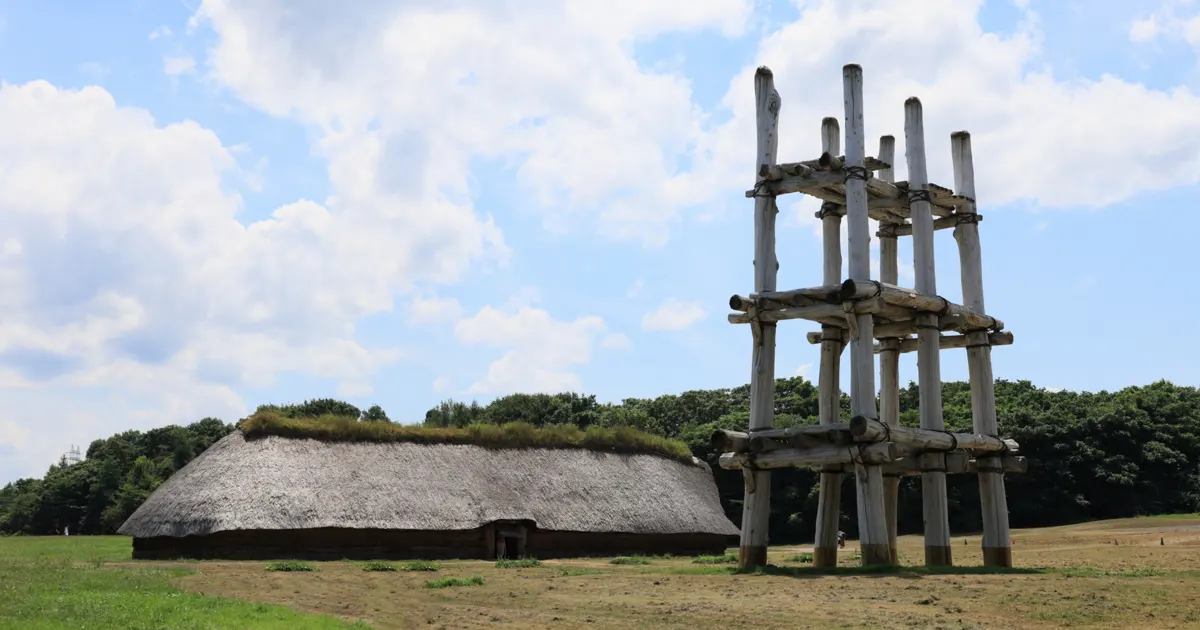
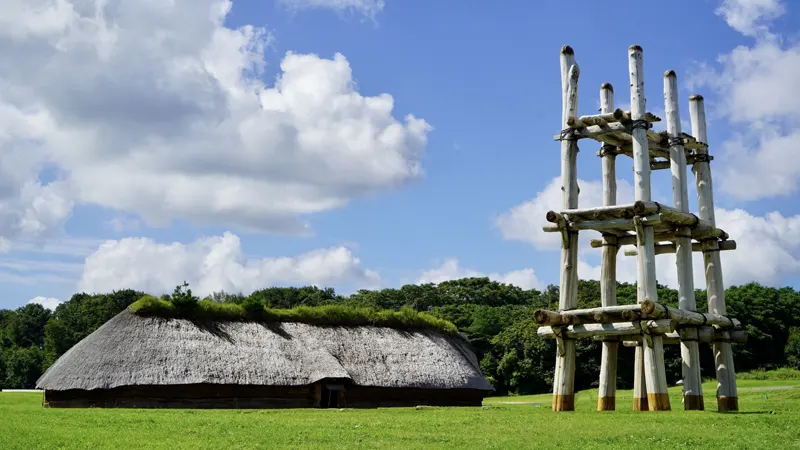
The most symbolic structure is the large pillar-supported building, standing approximately 15 meters tall. Constructed without modern machinery, its scale reflects the advanced techniques of the time.
Entering the reconstructed buildings reveals the openness of the space and the texture of the wood through all senses. This physical engagement distinguishes the experience from that of a typical museum.
An Immersive Experience of a Living Settlement
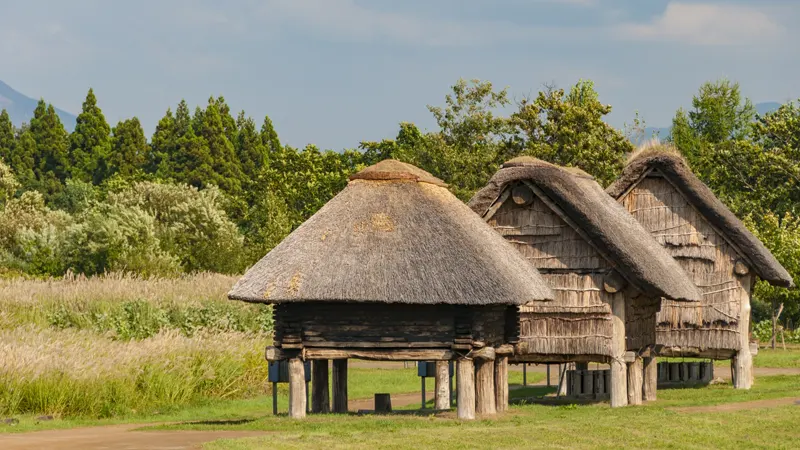
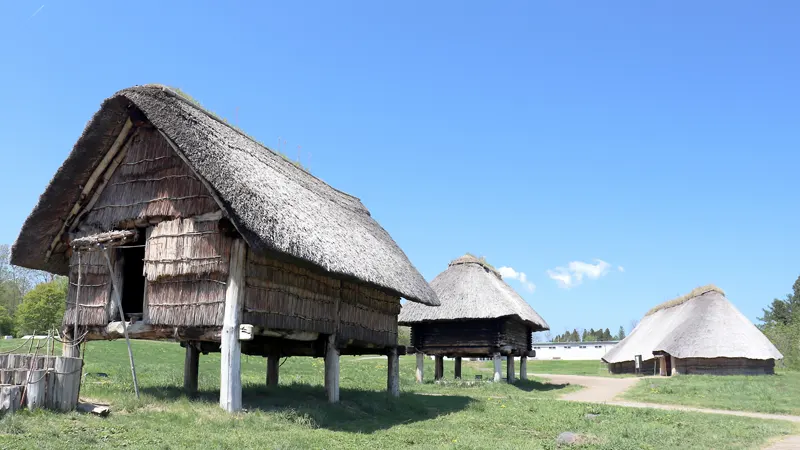
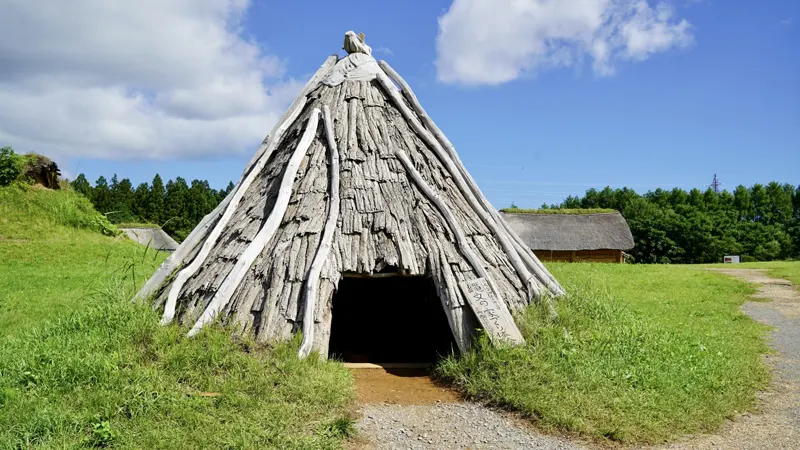
Pit dwellings and elevated storehouses have been reconstructed across the site, forming a complete living environment. Walking through the area allows a natural understanding of how people once lived.
Unlike viewing displays behind glass, exploring the site on foot provides a deeper connection to history. The immersive setting often makes it easy to lose track of time.
Why It Is Recognized as a World Heritage Site
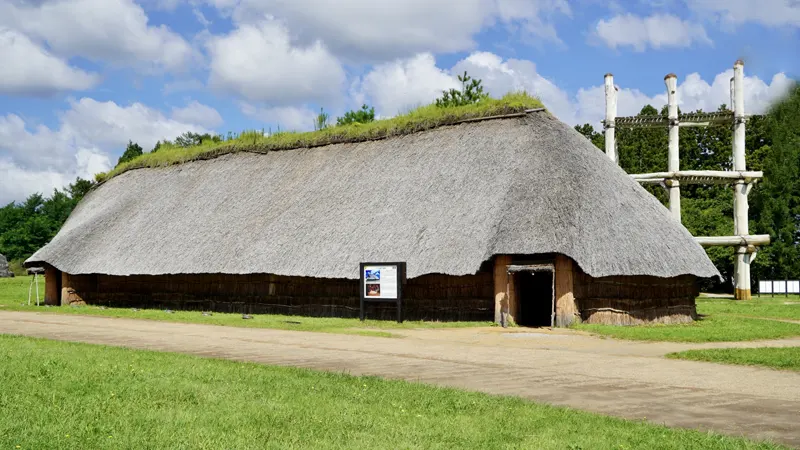
The Sannai-Maruyama Site is a core site within the World Cultural Heritage property “Jomon Prehistoric Sites in Northern Japan.” It is characterized by the preservation of everyday traces such as refuse areas and burial sites. These remains bring the daily lives of the past into closer perspective, offering more than curated exhibits—they are direct records of life.
Comfortable Learning in an All-Weather Facility
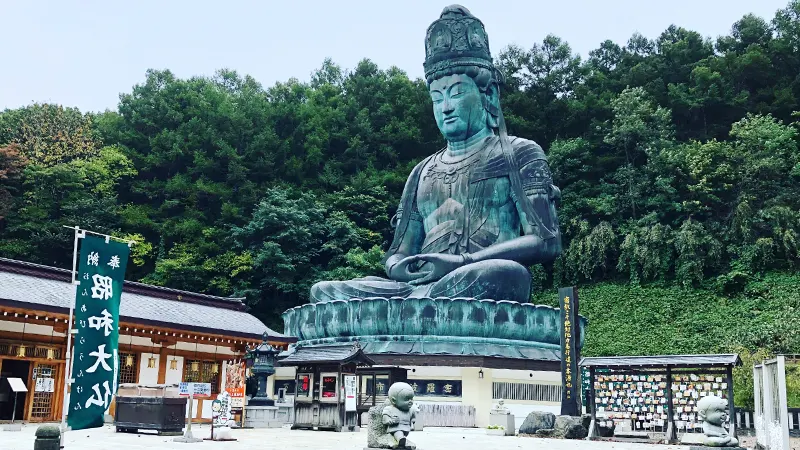
The adjacent Jomon Jiyukan Museum offers extensive indoor exhibits. Since it can be enjoyed regardless of weather conditions, it is easy to include in travel plans.
Audio guides and multilingual tools are available, providing an environment where international travelers can enjoy the site with confidence.
Hands-On Craft Programs That Satisfy Curiosity
Visitors can participate in activities such as making miniature clay figurines or weaving using traditional techniques. Engaging in these hands-on experiences deepens the understanding of Jomon ingenuity.
Creating something personally leaves a lasting impression and enhances the overall travel experience. These programs are also well suited for those who enjoy creative activities.
Cultural Connections in Aomori Cuisine
Tasting local cuisine after visiting the site highlights the connection between culture and daily life. The combination of history and food adds depth to the overall travel experience.
Checking stays around Sannai-Maruyama Site and Aomori City by price and reviews helps avoid overpaying. Compare Aomori City stays to find balanced options.
Community Wisdom Reflected in Soup Culture
In the Aomori region, hearty soups filled with various ingredients are a long-standing tradition. Dishes incorporating fish and vegetables developed as practical solutions for enduring cold climates.
Meals using senbei crackers or hittsumi dumplings represent resourceful use of limited ingredients. This mindset reflects the communal values seen in the Jomon period.
Sannai-Maruyama Site Q&A Guide
- Is the Sannai-Maruyama Site large?
-
The site is quite extensive, so comfortable walking shoes such as sneakers are recommended.
- Can I try Jomon-era clothing or take photos?
-
Clothing experiences are available at the Jomon Jiyukan Museum, where photo opportunities are also offered.
- How long does it take to explore the site?
-
Allow at least two hours to explore both the outdoor area and the exhibits at a relaxed pace.
- Is the site open during winter?
-
The site is open year-round, but proper cold-weather and waterproof preparation is essential.
- What are popular souvenirs from the Sannai-Maruyama Site?
-
Items featuring clay figurine motifs and accessories are particularly popular as keepsakes.
Visitor Information and Access Guide