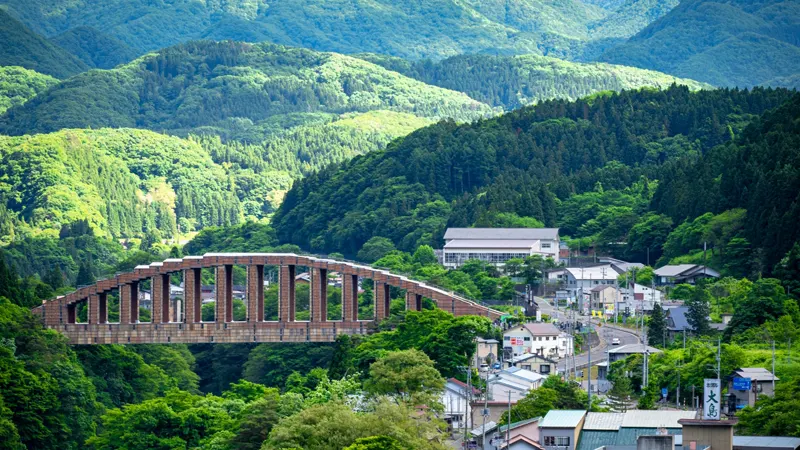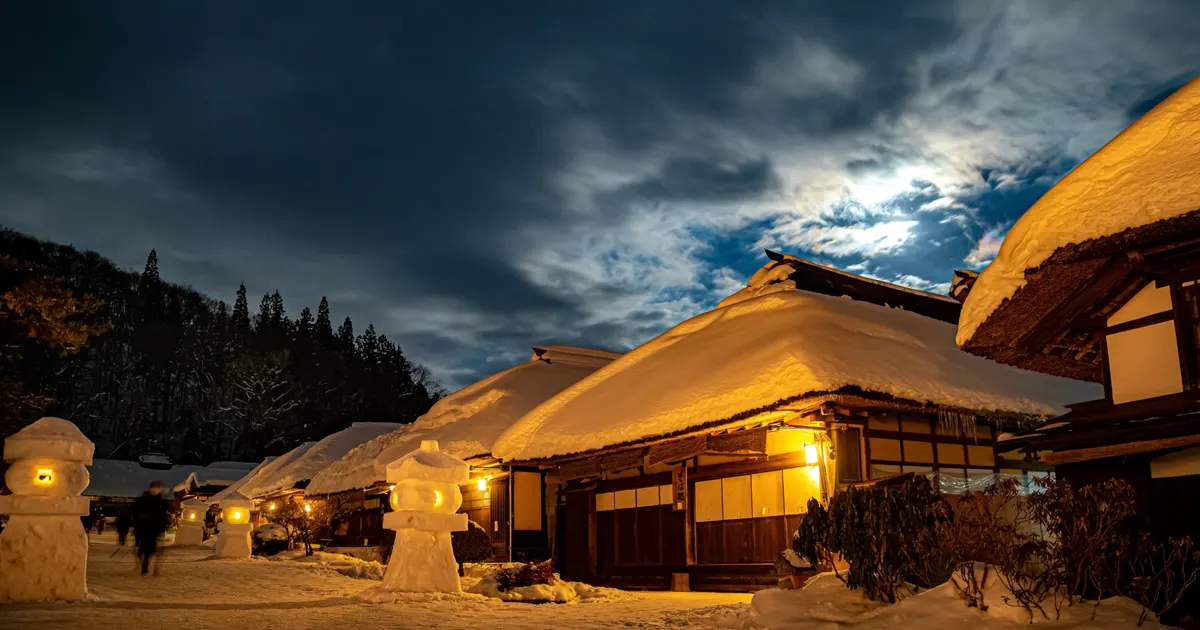
Ouchi-juku, where the atmosphere of the Edo period remains strongly preserved, is not a place to simply observe. Because it is a living village where daily life continues, the buildings and surroundings carry a sense of “living history.” If you are looking for a destination for the next day, this site offers an experience-based visit that delivers a deep sense of satisfaction even in a short time.
Its appeal lies not only in the scenery but also in the sounds and scents that can be experienced. Even a brief stay allows a meaningful connection with the depth of Japanese culture. To explore efficiently, it is important to choose a route that considers both order and timing.
Visitors arriving in the early morning at Ouchi-juku can enjoy quiet streets, and staying in Minamiaizu shortens travel distance for a smoother route. Choose Minamiaizu hotels to reduce transit time.
Authentic History You Can Experience in Ouchi-juku
The greatest value of Ouchi-juku is not its preserved appearance, but the fact that people still live there today. A local principle of “not selling, not renting, not destroying” has been maintained by residents, allowing daily life to continue even as a tourist destination. This environment creates an authentic experience that cannot be found in other villages.
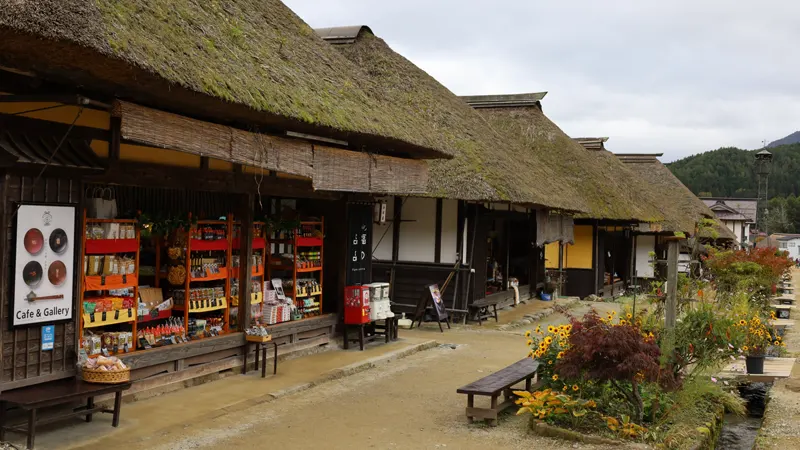
Walking through the area reveals a natural harmony between rows of thatched-roof houses, the sound of flowing water, and the scent of firewood. This is not a recreated setting, but the result of a lifestyle built over many years. The experience feels less like sightseeing and more like stepping into history.
Entering the buildings further deepens understanding. The temperature of the earthen floors and the scent of smoke from the hearth convey the practical design of traditional Japanese architecture through the senses. These firsthand experiences provide a level of value that cannot be captured through photos or videos.
Optimal Route to Improve Sightseeing Efficiency
To increase satisfaction within a limited time, planning both the route and timing is essential. A recommended order is “viewpoint → traditional house → shrine,” which allows a natural understanding of scenery, culture, and spirituality.
Understand the Layout from the Viewpoint
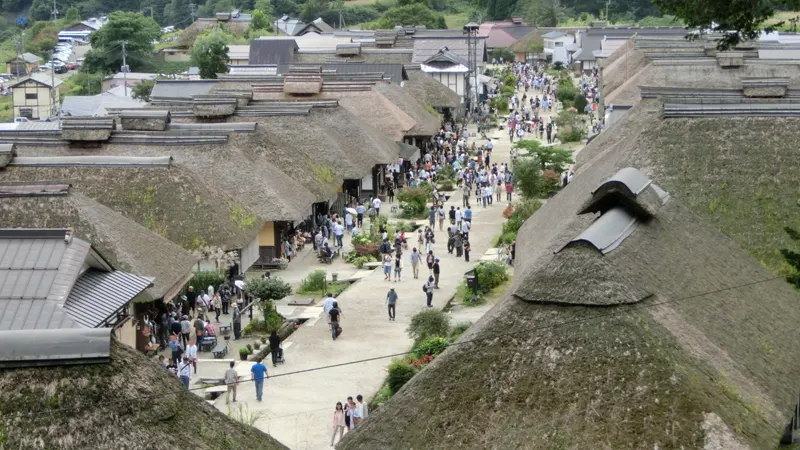
The first stop should be the observation point located at the far end of the village. From this elevated perspective, the structure and layout of Ouchi-juku can be clearly understood at a glance. In the early morning, fewer visitors are present, and smoke rising quietly from daily life can be observed.
Seeing the overall layout first enhances the enjoyment of the walk that follows. It is also the most important location for photography.
Experience Daily Life at the Exhibition House
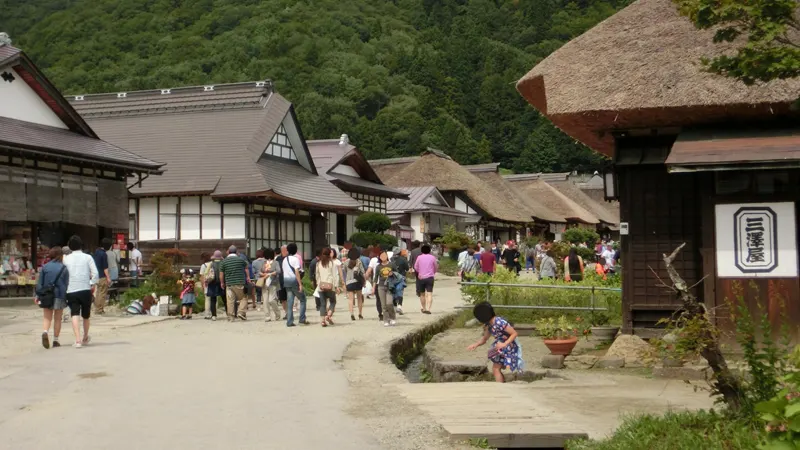
Next, head to a traditional house exhibition where the interior structure can be experienced. Stepping onto tatami and spending time in a space with a hearth allows a clear image of how travelers once stayed here. Rather than simply observing, take time to relax and absorb the atmosphere.
Time spent viewing the garden from the engawa provides insight into the connection between interior and exterior spaces, a defining feature of Japanese architecture. This experience complements the cultural value that cannot be understood from the exterior alone.
Feel the Contrast of Silence at Takakura Shrine
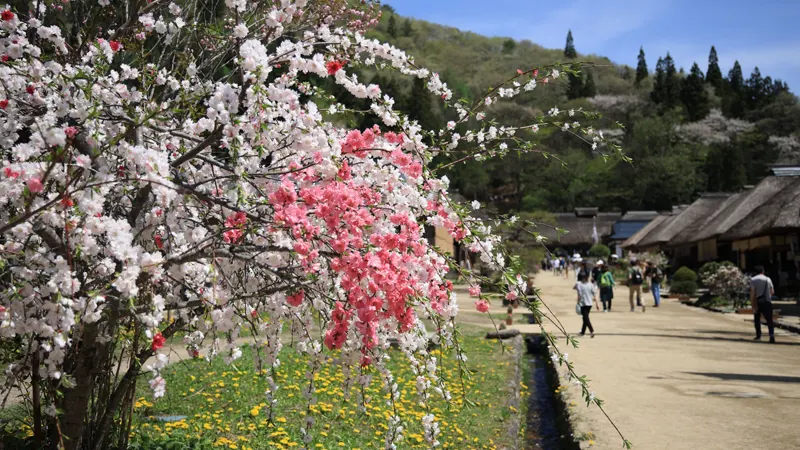
The final stop is Takakura Shrine. A short distance away from the busy street, the atmosphere changes completely. Surrounded by cedar trees, the shrine grounds are quiet, offering a sense of the relationship between nature and spiritual culture.
Passing through the torii gate and looking up at the tall cedar trees naturally conveys the presence of Japanese beliefs. The contrast with the lively village streets leaves a lasting impression of the depth of Ouchi-juku.
Comparing stays around Aizuwakamatsu changes your overall trip quality, as options vary widely in price and reviews. Check Aizuwakamatsu stays to find what fits your plan best.
Ouchi-juku Travel Q&A Guide
- What weather conditions are best for photography in Ouchi-juku?
-
After rain or on snowy days. The roof textures and light stand out.
- How can the area be enjoyed quietly while avoiding crowds?
-
Staying at a local inn or arriving before 9:00 AM is recommended. The quiet atmosphere can be appreciated.
- What is the recommended way to explore in each season?
-
In summer, the waterways are ideal; in autumn, the viewpoint is recommended; in winter, indoor experiences are more comfortable.
- How can people interact naturally with locals?
-
Simply adding a greeting such as “Hello” helps close the distance.
Visitor Information for Ouchi-juku