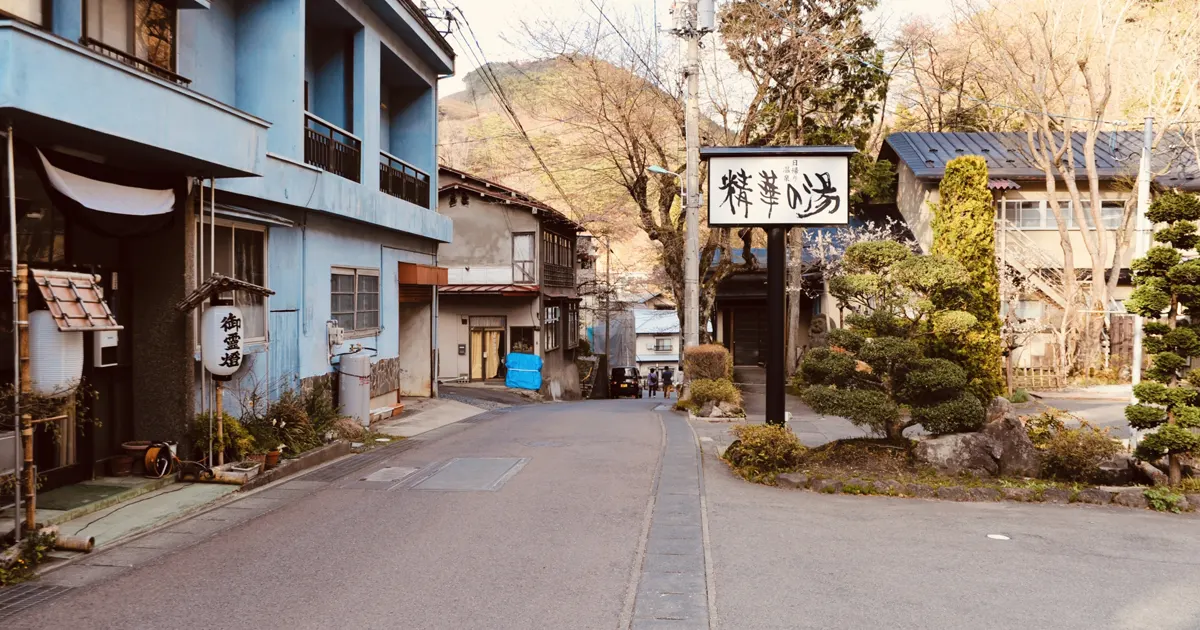
Dai Onsen is a quiet hot spring area tucked away in the depths of Hanamaki City, Iwate Prefecture. Traditional inns line the narrow valley, creating an atmosphere where time seems to stand still. In contrast to the modern Hanamaki Onsen, traces of the Showa era remain here, allowing a slow appreciation of a classic Japanese landscape.
For Taionsen without staying at the hot spring, Hanamaki City makes early visits calmer and easier. Places to stay in Hanamaki City give you a smart base for a smoother plan.
Retro Townscape Experience in Dai Onsen
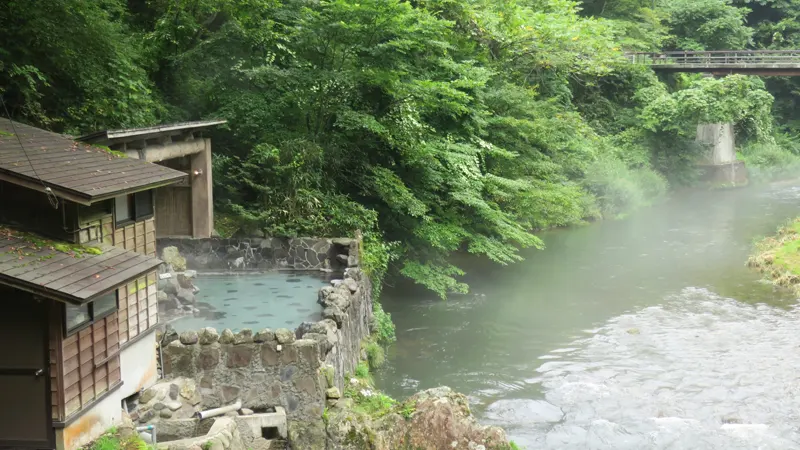
The view of retro wooden buildings is not arranged for tourism, but continues as part of everyday local life. Walking through rising steam engages not only sight, but also scent and the surrounding air, offering a deeper sense of Japanese culture. At night, soft lighting envelops the town, revealing a more atmospheric scene different from the daytime.
The Appeal of Natural Flowing Hot Springs
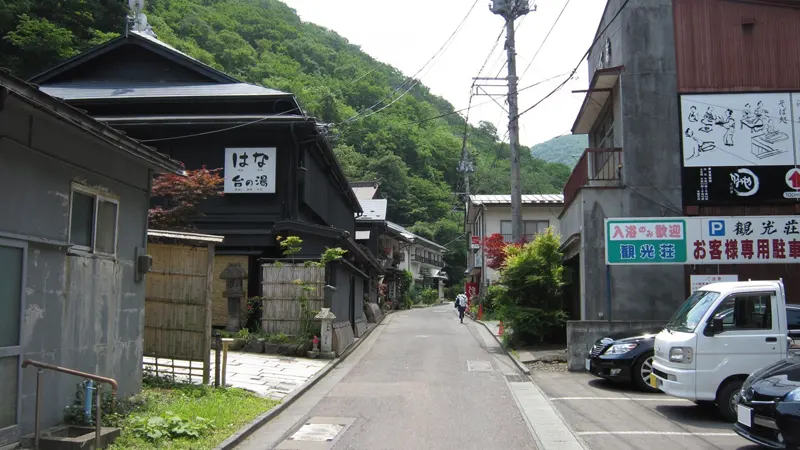
One of the defining features of Dai Onsen is that each inn has its own hot spring source. The free-flowing water, with minimal dilution or heating, retains a rich concentration of minerals. Bathing while surrounded by the scent of sulfur creates a sensation of directly receiving energy from nature.
Why It Suits Travelers Seeking Quietness
Unlike large-scale tourist destinations, this hot spring area is ideal for those who prefer a calm atmosphere. Time spent listening to the stream and the wind offers a chance to reset away from daily noise. For those interested in photography or architecture, the interplay of light and shadow and the structural beauty provide an engaging setting.
How to Spend Time in Dai Onsen
The enjoyment of a stay begins with choosing accommodation. Historic inns and traditional wooden lodgings each offer distinct character. Early morning and dusk walks leave a strong impression, and the hours when the area is wrapped in mist create a more mysterious atmosphere.
Incorporating day-use bathing expands the experience by allowing visits to multiple hot springs. Comparing the atmosphere and mineral qualities of each location helps in finding a bath that suits your preference.
Dai Onsen Day-Use Bathing Guide
Dai Onsen is about 30 minutes by taxi from Shin-Hanamaki Station, making it easily accessible even for those staying nearby. Admission ranges from around 300 yen to 500 yen, making it approachable for first-time visitors to hot springs.
 SAKURA
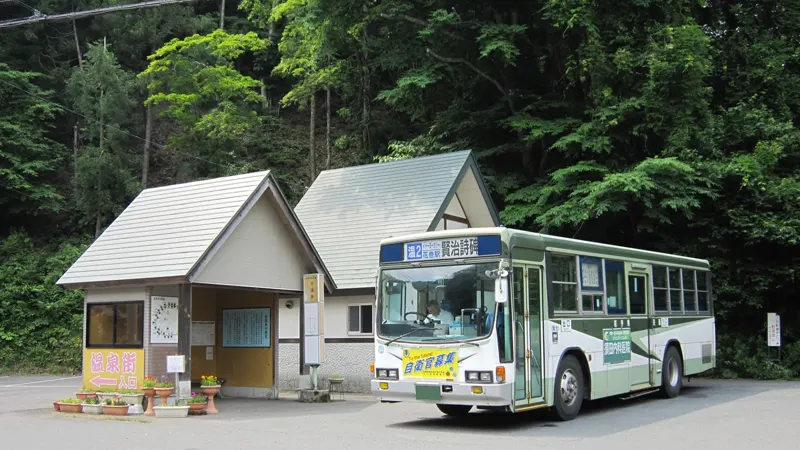
Free shuttle buses and local buses are also available, so it’s very convenient.
However, day-use bathing is available at about half of the inns, and hours and closing days vary by location. After arrival, checking the daily status at the Dai Onsen Information Center helps ensure a smooth visit. Please confirm the latest information on the Dai Onsen Information Center Official Website.
Dai Onsen Travel Q&A Guide
- Is English spoken at Dai Onsen?
-
Fluent English is limited, but you will be treated kindly.
- Do I need to bathe naked in the hot springs?
-
In Japan, bathing is generally done without clothing. You will get used to it quickly.
- Can Dai Onsen be enjoyed as a solo traveler?
-
It is well suited for solo travel. Some accommodations offer plans labeled “solo stay” or options under 8,000 yen.
Tai Onsen Location and Access Guide