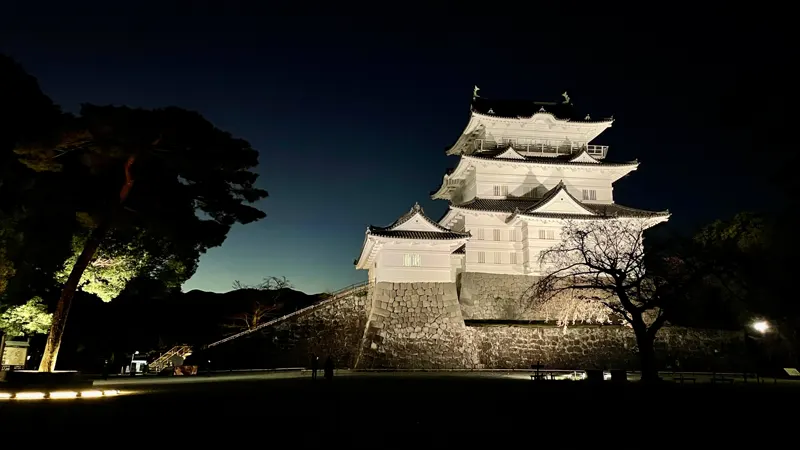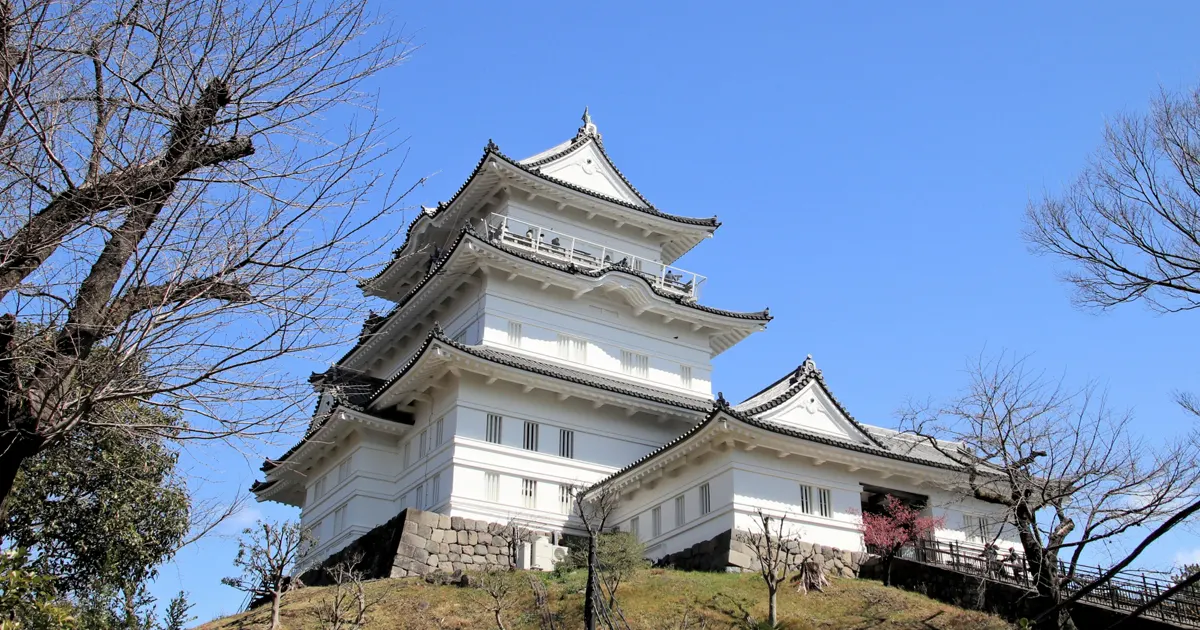
Odawara Castle is a historic site known as the stronghold of the Late Hōjō clan, which supported control over the Kantō region during the Sengoku period. The remains of the massive fortress once described as impregnable still survive today, allowing visitors to walk through the setting of the Battle of Odawara, a major turning point in Japanese history.
In addition to the restored main keep and castle gates, the site includes remains of the “Sōgamae,” one of the largest defensive fortification systems in Japan. The site attracts many international visitors, especially history enthusiasts. With panoramic views of Sagami Bay and Hakone, Odawara Castle offers an opportunity to experience the atmosphere of the Sengoku period through all five senses.
Daytime around Odawara Castle moves fast, so booking Odawara Station hotels keeps your route simple. Start earlier, see more, and leave fewer plans to chance.
Why Odawara Castle Was Considered Impregnable
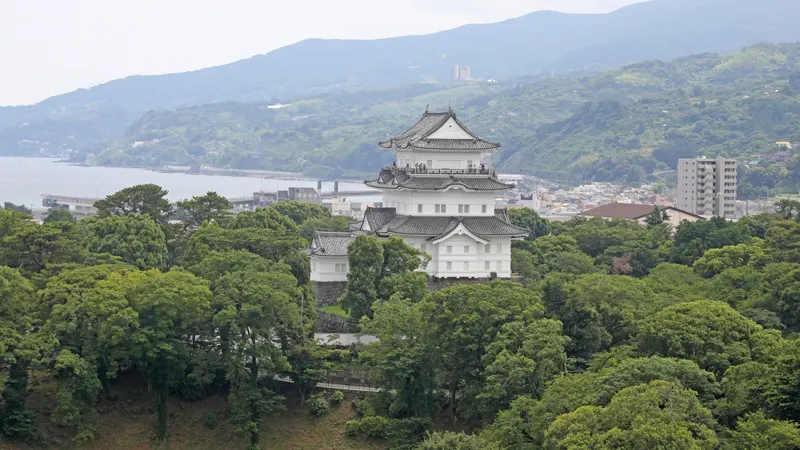
Odawara Castle preserves many examples of advanced Sengoku-period defensive strategies. Looking beyond the main keep and focusing on the castle’s defensive layout reveals the depth of its military design.
The Massive Fortress Built by the Late Hōjō Clan
The origins of Odawara Castle date back to a mountain fortress built in the mid-15th century. Large-scale renovations later expanded the castle under the Late Hōjō clan, beginning with Hōjō Sōun. It was developed as the political center of the Kantō region and eventually became one of Japan’s largest castles during the Sengoku period.
The castle survived attacks by Uesugi Kenshin and Takeda Shingen, earning recognition as an exceptionally strong fortress because of its formidable defenses.
The Battle of Odawara Against Toyotomi Hideyoshi
In 1590, Odawara Castle became the stage for the Battle of Odawara, the final campaign in Toyotomi Hideyoshi’s unification of Japan. Surrounded by an army of more than 200,000 soldiers, the castle surrendered after a siege lasting approximately three months, leading to the fall of the Late Hōjō clan.
Inside the current main keep, videos and dioramas introduce the events of the Battle of Odawara, making it easier for visitors unfamiliar with Japanese history to understand the atmosphere of the time.
Restoration From the Edo Period to the Present
During the Edo period, Odawara Castle was maintained as an important stronghold connecting eastern and western Japan. Many samurai and travelers passed through the area. However, during the Meiji period, many of the castle structures were dismantled, and much of the site disappeared. The current main keep and castle gates were later reconstructed through restoration projects.
Sengoku Defensive Sites at Odawara Castle
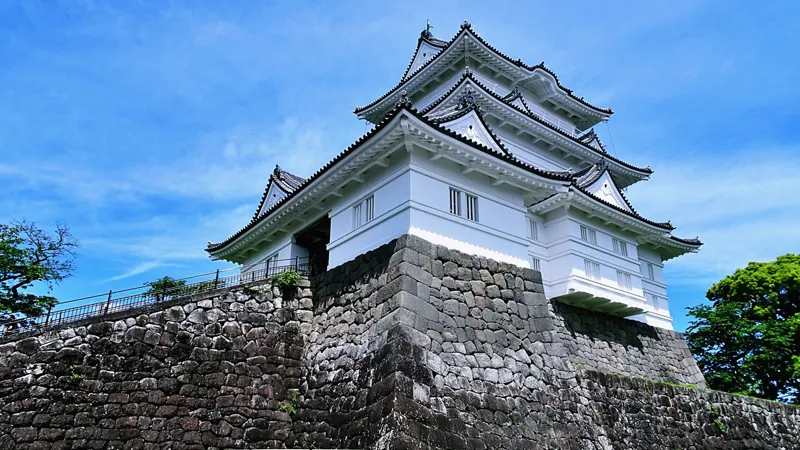
Odawara Castle preserves massive defensive structures rarely seen at other castles. Unlike stone-built castles, the site highlights the scale and power of an earthen fortress.
For a stay that feels right without overspending, check popular Odawara Station hotels before rooms narrow down. Reviews and price filters make your choice feel safer.
The Impressive Komine Okane-no-Dai Large Dry Moat
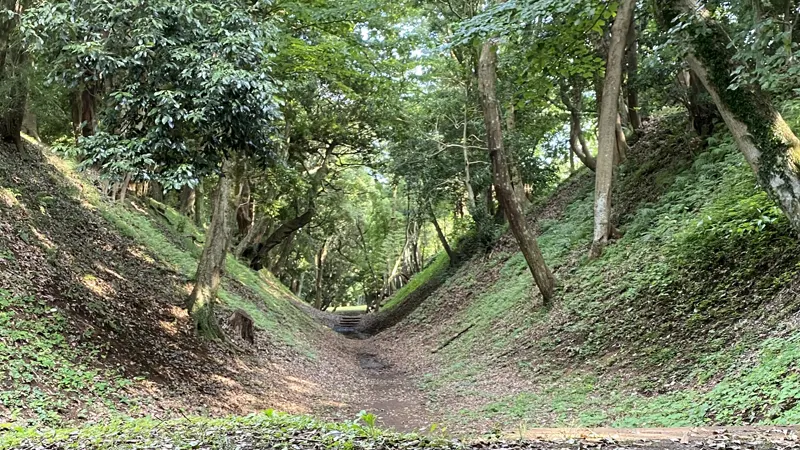
A major feature of Odawara Castle is the “Komine Okane-no-Dai Large Dry Moat.” This enormous dry moat was constructed to block enemy invasions and formed part of the Sōgamae defensive system, which stretched for approximately 9 kilometers.
The V-shaped moat, which reaches about 20 meters in width and 12 meters in depth, offers a direct sense of medieval defensive engineering. The scale of the earthen structure creates a powerful impression unique to this style of castle.
Walking Through Three Massive Castle Gates
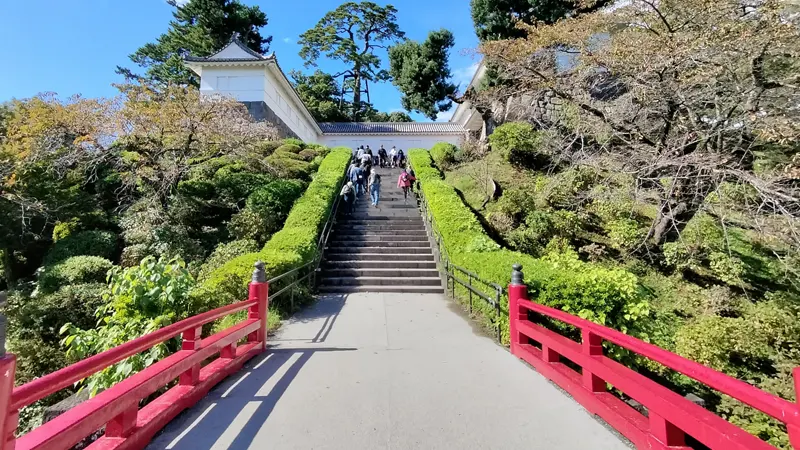
The official route leading to the main keep passes through three large masugata-style gates: Umadashi Gate, Akagane Gate, and Tokiwagi Gate. Moving through each gate in sequence reveals defensive features designed to slow invading forces and recreates the experience of approaching a Sengoku-period castle.
Sengoku Defensive Lines Remaining in the Shiroyama Area
Many visitors explore only the area around the main keep, but the Shiroyama area offers a deeper connection to the Sengoku period. Defensive remains such as Renjōin Doi and the Hayakawa-guchi ruins still survive within modern residential neighborhoods.
The coexistence of present-day streets and Sengoku-era fortifications creates a landscape unique to Odawara Castle and evokes the tension of the period while walking through the area.
Ways to Enjoy Odawara Castle
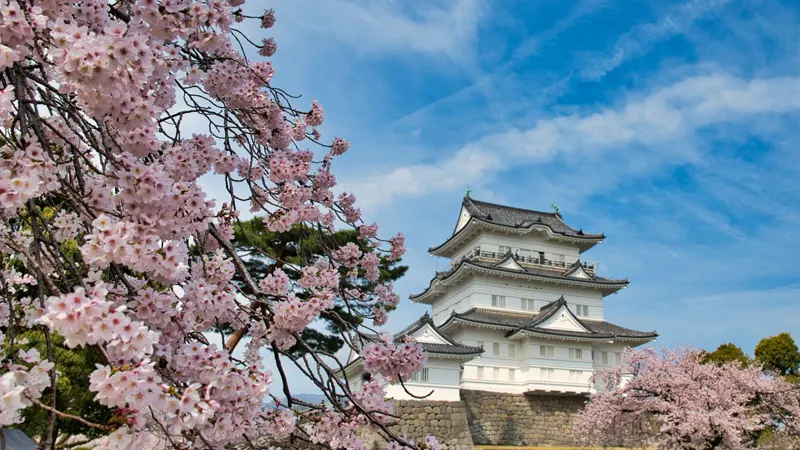
Odawara Castle is more than a historical site. It also offers scenic views and cultural experiences, creating a well-rounded destination where visitors can immerse themselves in the world of the Sengoku period.
Learn Samurai Culture at the SAMURAI Museum
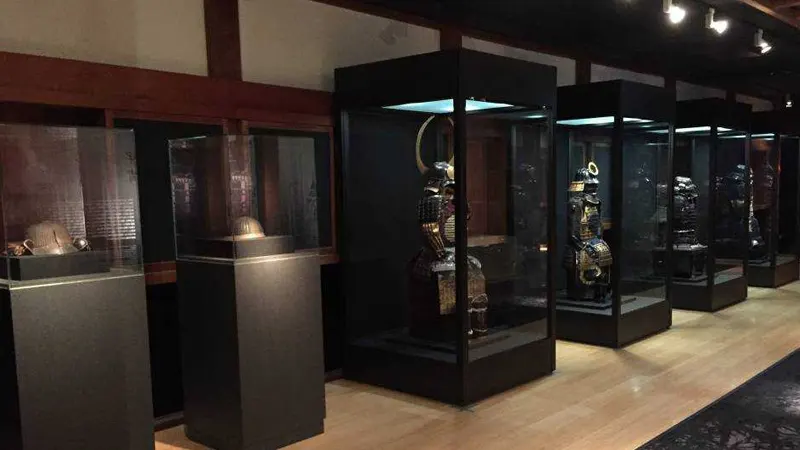
The SAMURAI Museum, located beside Tokiwagi Gate, displays authentic armor, swords, and other weapons used by samurai. Exhibits also introduce the spiritual culture of the samurai and daily life during the Sengoku period, helping visitors gain a deeper understanding of Japanese culture.
English explanations and multilingual guides are available, making the museum accessible for international travelers.
Panoramic Views of Sagami Bay From the Main Keep
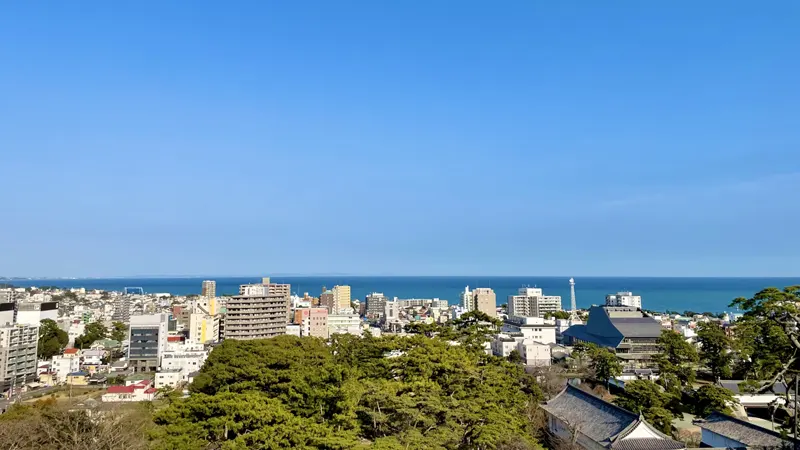
The observation deck on the top floor overlooks Sagami Bay and the mountains of Hakone. On clear days, the direction of Ishigakiyama Ichiyajō, where Toyotomi Hideyoshi established his main camp, is also visible, offering a broad perspective of the entire battlefield.
Visitor Information for Odawara Castle