Gokokuji Temple in Tokyo’s Bunkyo ward is a historic site where the atmosphere of Edo still quietly remains among modern high-rise buildings. The temple was founded by Tokugawa Tsunayoshi in response to the wishes of his mother, Keishoin , and the main hall survived war damage and continues to be carefully preserved today.
For travelers looking to experience a quieter side of Tokyo, this is a comfortable place to spend time at a relaxed pace. Historic architecture, peaceful temple grounds, and Edo-period religious culture create a calm setting for a slow walk through the city.
Contents
Visitor Information for Gokokuji Temple
Location: Otsuka, Bunkyo City, Tokyo
Closed Days: None
Hours: 9:00 AM – 4:00 PM
Closed from 12:00 PM – 1:00 PM
Access may be restricted during ceremonies and special events
Admission: Free
Gokokuji Temple hosts traditional events throughout the year. The monthly fair held on the 18th attracts many worshippers, while large tea ceremonies take place in November. Seasonal scenery, including azaleas, hydrangeas, and autumn leaves, adds quiet color to the historic temple grounds. Please check the latest event schedules and visitor information on the Gokokuji Temple Official Website before your visit.
Gokokuji Temple and Its Shogunate History
Gokokuji Temple was established in 1681 by Tokugawa Tsunayoshi, the fifth Tokugawa shogun. The temple began as a place of prayer following the wishes of his mother, Keishoin.
The Genroku-Era Main Hall That Survived War
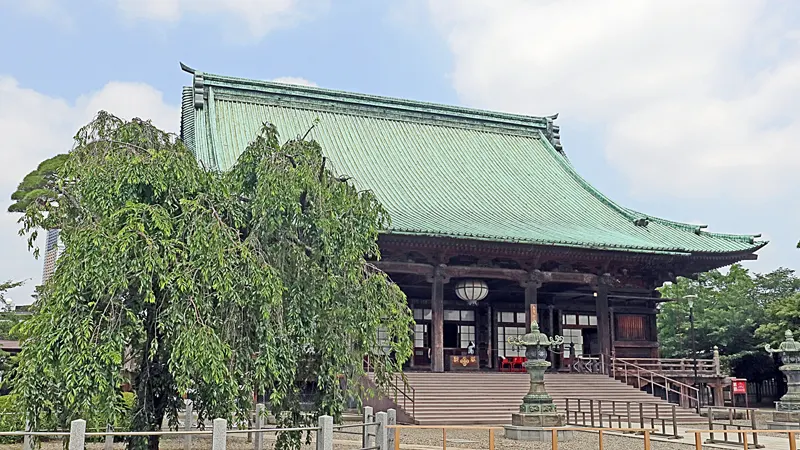
The main hall is a wooden structure completed in 1697. It survived both the Great Kanto Earthquake and wartime air raids, preserving the appearance of the Genroku period to this day.
Inside the hall, large zelkova pillars and detailed decorations remain intact, allowing visitors to observe Edo-period craftsmanship up close. Photographs cannot fully convey its presence, so it is worth taking time to view it in person.
A Peaceful Temple Walk in the Middle of Tokyo
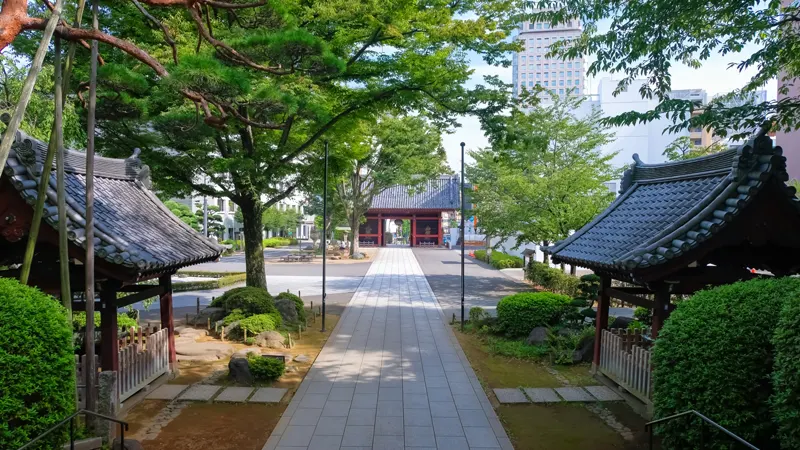
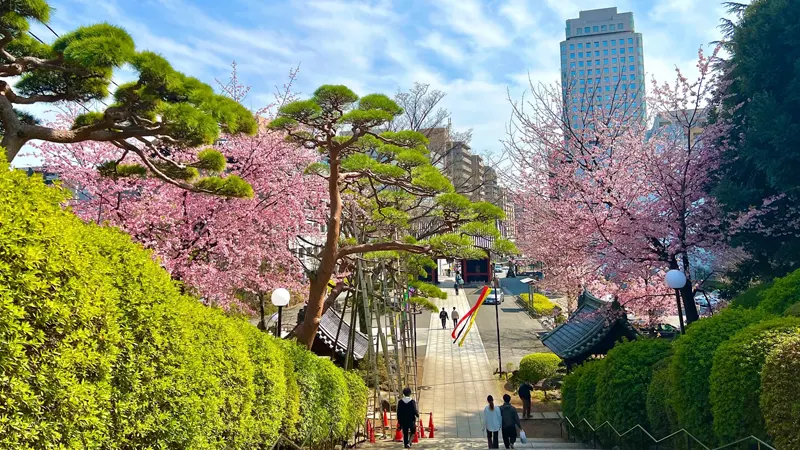
One of the main attractions of Gokokuji Temple is the calm atmosphere found in the center of Tokyo. Stepping into the grounds creates a sense of distance from the busy streets surrounding the area.
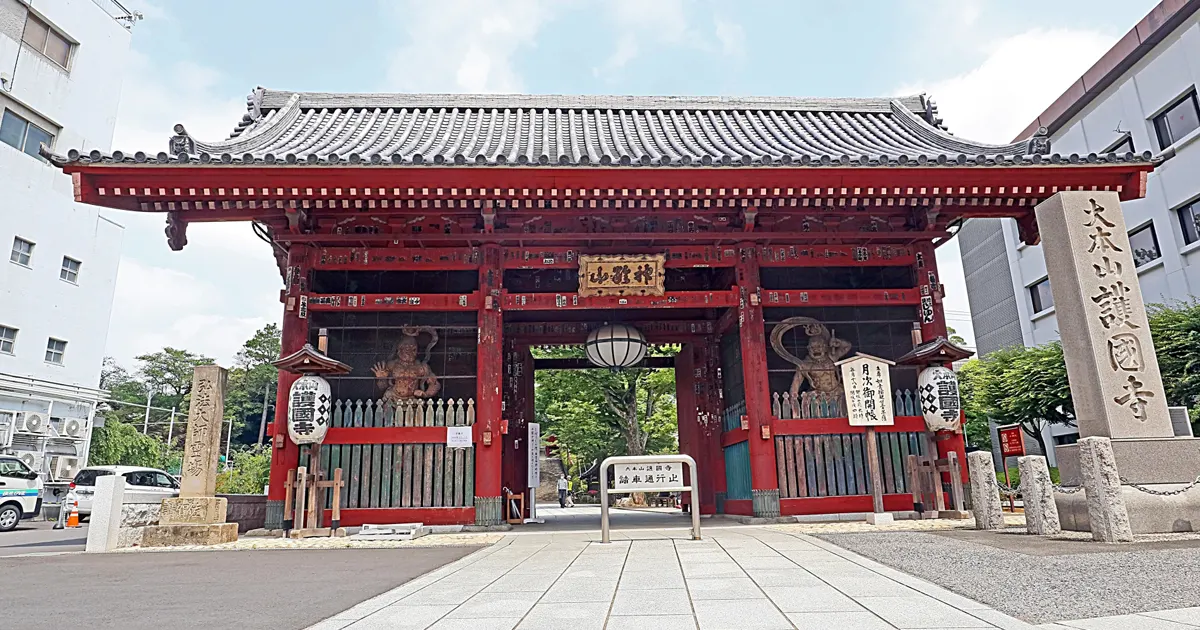
The Nio Gate and Stone Steps at Gokokuji
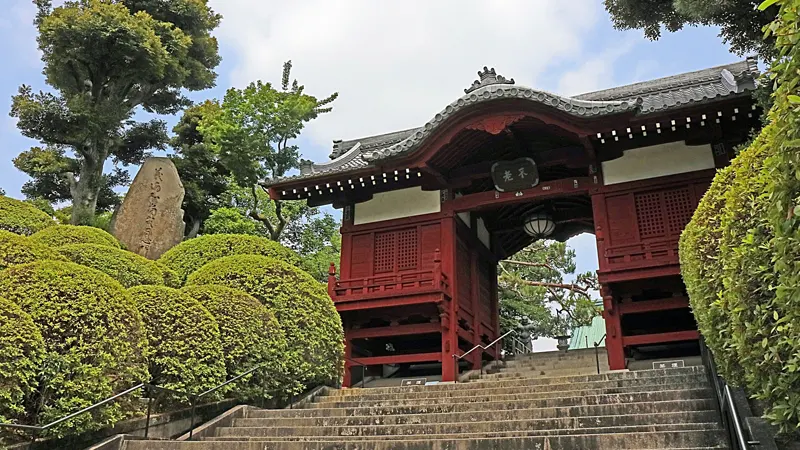
The first structure visitors encounter is the powerful Nio Gate. Climbing the stone steps while facing the guardian statues creates the feeling of slowly leaving the city behind.
At the top of the stairs stands the main hall with a quiet and dignified presence. The temple grounds provide a calm alternative for travelers looking to step away from crowded sightseeing areas.
Experience Edo-Era Faith at Otowa Fuji
Within the temple grounds stands Otowa Fuji , one of Tokyo’s historic miniature Mount Fuji mounds known as Fujizuka. It was created so people in the Edo period who could not travel to Mount Fuji could still take part in Fuji worship close to home.
Places where visitors can walk on a small symbolic Mount Fuji are uncommon outside Japan, offering a natural introduction to a uniquely Japanese cultural tradition. When visiting Gokokuji Temple, Otowa Fuji is worth exploring alongside the main hall.
A quieter start near Gokokuji recommended hotels keeps the temple visit easy before the day gets busy. You can fit early photos and the next stop into one smoother plan.
Ways to Spend an Afternoon Around Gokokuji
After visiting Gokokuji Temple, combining nearby cultural sites creates an enjoyable half-day walking route. Several quiet attractions are located within walking distance, making the area well suited for a relaxed afternoon in Tokyo.
Relax at Higo Hosokawa Garden
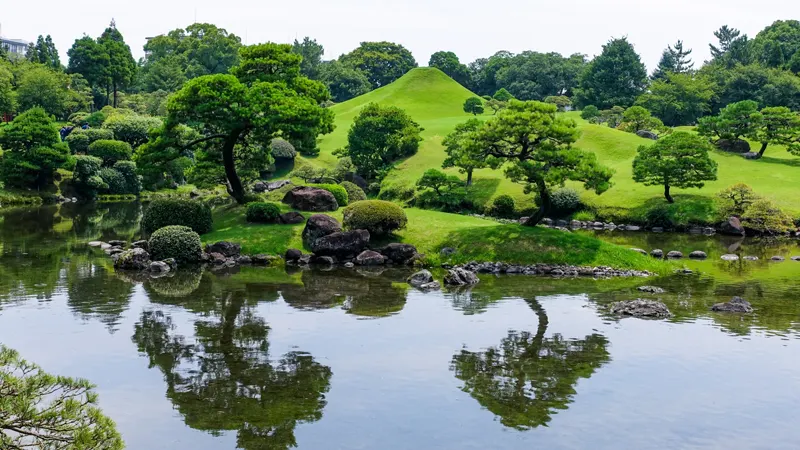
Higo Hosokawa Garden is located about 15 minutes away on foot and features a traditional Japanese strolling garden centered around a pond. Walking around the water reveals seasonal scenery that creates a calm atmosphere far removed from the surrounding city.
At the adjacent Shoseikaku building, visitors can enjoy matcha while overlooking the garden. It is also an easy place to stop and rest after visiting Gokokuji Temple.
Gokokuji Temple Q&A Before Your Visit
Can visitors enter the main hall?
Yes. Visitors may enter after removing their shoes. Photography inside the hall is prohibited, but the massive wooden pillars can be viewed up close.
What blessings is Gokokuji Temple known for?
Many visitors come to pray for protection from misfortune and good fortune.
Why are there many cats around the temple grounds?
Cats cared for by the local community live quietly around the area.
Are there any carvings visitors should look for during their visit?
The unusual carving of a baku on the front worship hall is one of the temple’s notable details.
For a stay that feels smart, compare Gokokuji popular hotels before prices narrow your choices. Reviews and filters make it easier to shape the right Tokyo stay.
Begin a Quiet Tokyo Walk Through Gokokuji Temple
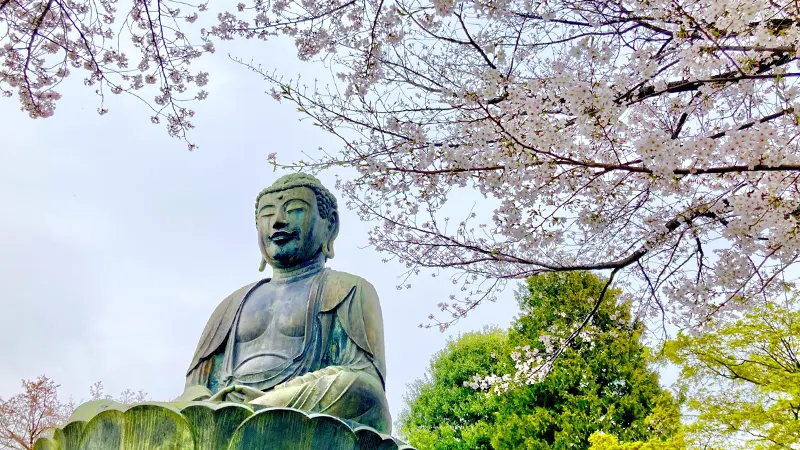
At Gokokuji Temple, the faith and history passed down since the Edo period still remain quietly alive today. The main hall that survived wartime destruction , the powerful Nio Gate, and Otowa Fuji all provide rare opportunities to experience authentic Japanese culture within Tokyo.
Gokokuji Temple is not a flashy sightseeing destination, yet its atmosphere gradually becomes more memorable while walking through the grounds. Travelers looking for a quieter side of Tokyo may find it a rewarding place to visit.