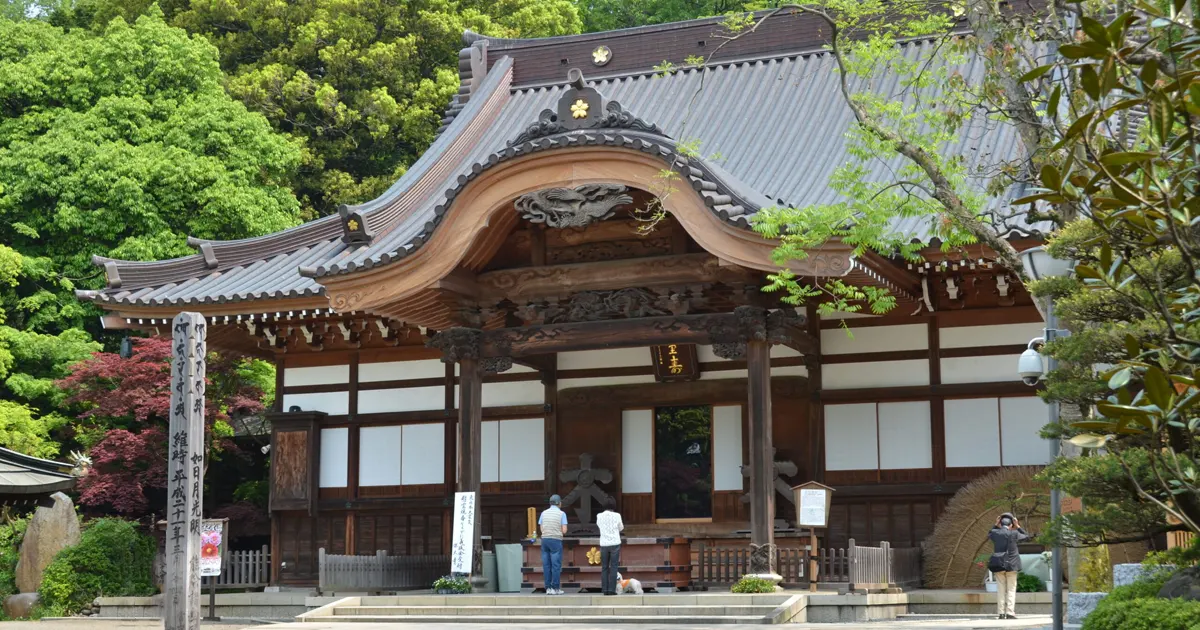
Jindaiji Temple offers easy access from the Shinjuku area in about 40 to 50 minutes by train, yet the temple grounds hold a surprisingly peaceful atmosphere. Once inside the precincts, visitors are surrounded by quiet scenery filled with lush greenery and natural spring water, making it hard to believe they are still in Tokyo. Traditional teahouses and wooden buildings line the temple town, creating a setting where visitors can stroll through scenery that reflects old Japan.
The temple has long been well known as a sightseeing destination and remains popular among Japanese visitors as a place where history, nature, and Japanese culture can all be experienced together. Unlike crowded tourist areas in central Tokyo, Jindaiji Temple offers a calm environment for appreciating authentic Japanese culture at a slower pace.
For a calmer off-peak visit, a nearby Jindaiji stay keeps the temple, soba shops, and gardens easy to reach. Your day feels relaxed, not rushed.
The Long History Behind Jindaiji Temple
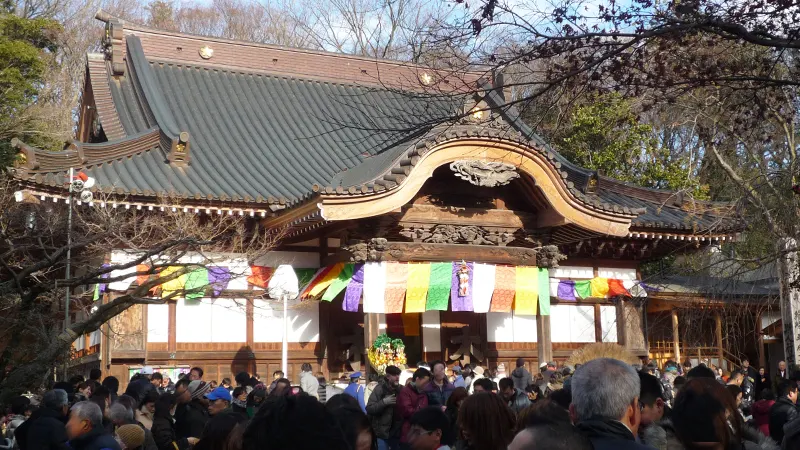
Jindaiji Temple is an ancient temple where history dating back to the Nara period feels close while still remaining within Tokyo. Surrounded by abundant spring water and quiet natural scenery, it is also known as one of the city’s notable relaxing destinations.
An Ancient Temple Founded During the Nara Period
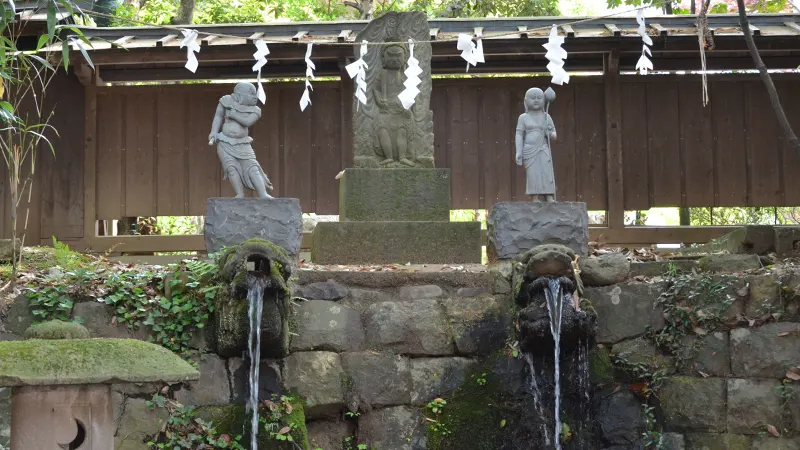
Jindaiji Temple is said to have been founded in 733 and is recognized as one of Tokyo’s oldest temples. It has attracted the faith of many people over the centuries and remains an important historic temple within the city. The temple name is believed to originate from Jinja Daio, a water deity said to have protected the monk Xuanzang during his travels, reflecting the temple’s deep connection with water.
During the Heian period, the temple developed as an important Tendai Buddhist temple and supported esoteric Buddhist culture in eastern Japan. Although parts of the temple were destroyed by fire several times, the structures were rebuilt each time, preserving its history to the present day.
A Sacred Atmosphere Created by Water and Nature
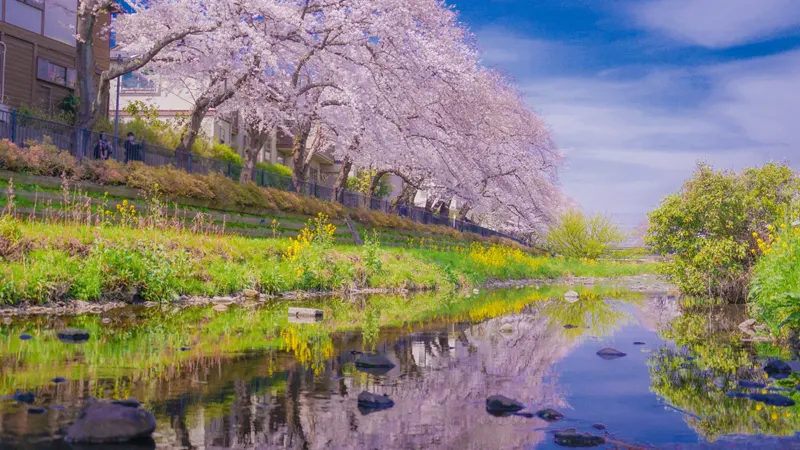
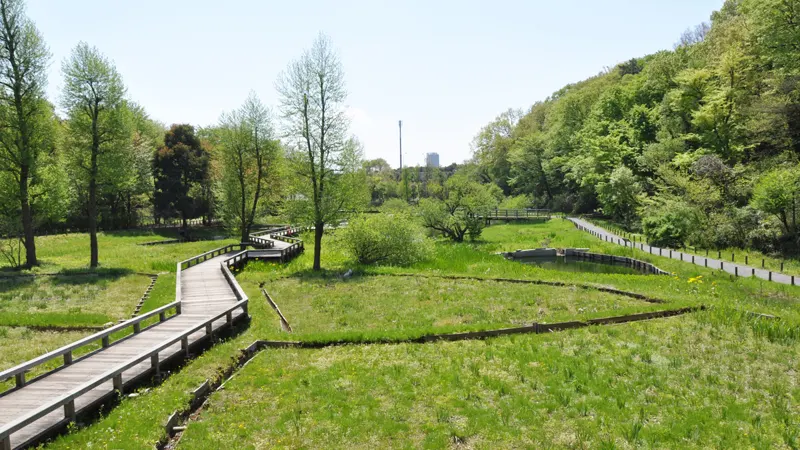
The area surrounding Jindaiji Temple is filled with abundant natural spring water, giving the entire temple grounds a cool and clear atmosphere. Water flowing from the Kokubunji Escarpment forms streams and ponds, creating a peaceful setting for visitors.
Highlights Unique to Jindaiji Temple
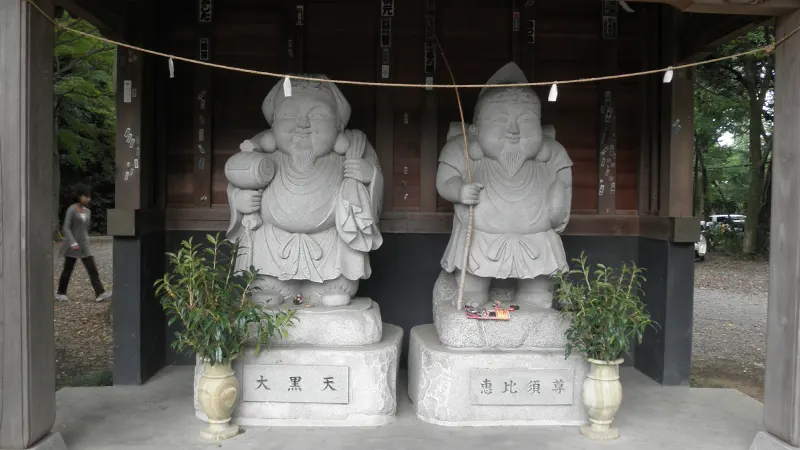
Jindaiji Temple preserves many examples of Japanese culture rarely seen in Tokyo sightseeing areas, including National Treasure Buddhist statues and a traditional temple town. The area is popular not only with history enthusiasts but also with travelers interested in photography and walking tours.
Before rooms fill up, compare reviews for a popular Jindaiji hotel. Agoda offers many choices, so an early pick can keep both price and comfort in balance.
Eastern Japan’s Oldest National Treasure Buddha
One of the main highlights of Jindaiji Temple is the National Treasure known as the Hakuho Buddha. Officially named the Seated Shaka Nyorai Statue in Bronze, this valuable Buddhist statue was created during the late Asuka period. It is the only National Treasure Buddhist statue located at a temple in Tokyo and is recognized as one of the oldest National Treasure Buddha statues in eastern Japan.
Retro Temple Town and Traditional Teahouse Culture
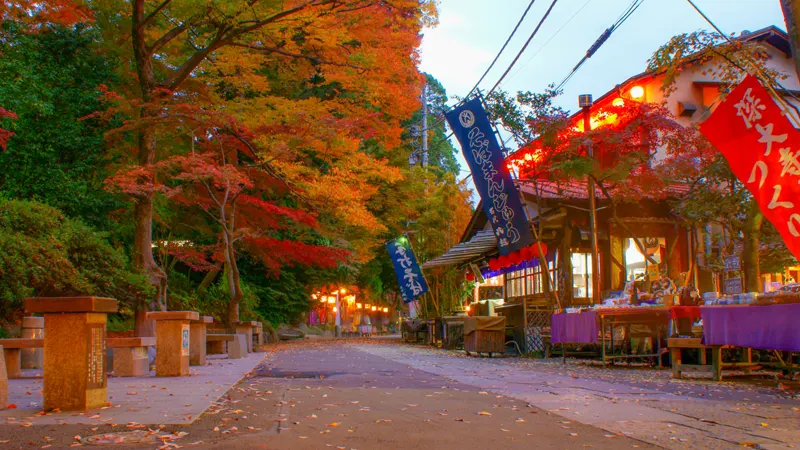
Traditional Japanese teahouses and souvenir shops line the approach to Jindaiji Temple, creating scenery that recalls nostalgic images of old Japan. Teahouses with red bench seating provide a place to relax while enjoying Japanese sweets and desserts.
A walk through the area also reveals many photogenic scenes, including stone-paved pathways shaded by sunlight filtering through the trees and atmospheric wooden architecture. In recent years, younger visitors have increasingly come to the temple, and many travelers also enjoy collecting goshuin temple stamps.
Visitor Information for Jindaiji Temple